
Leveraging Zapier Agents for Efficient Workflow Automation in 2025 🚀
Table of Contents
• Introduction: The Evolution of Workflow Automation
• What Are Zapier Agents and Why They Matter
• Key Benefits of Using Zapier Agents in 2025
• Top Use Cases for Zapier Agents Across Industries
• Getting Started: Setting Up Your First Zapier Agent
• Advanced Strategies for Maximum Efficiency
• Common Challenges and How to Overcome Them
• The Future of AI-Powered Automation
• Conclusion
• Frequently Asked Questions
Introduction: The Evolution of Workflow Automation 🔄
Remember when connecting different apps felt like trying to teach your grandmother how to use TikTok? Those days are officially behind us. As we navigate through 2025, the landscape of workflow automation has transformed dramatically, and at the forefront of this revolution are Zapier Agents – intelligent automation tools that are changing how we think about productivity.

I’ve been working with automation tools for over a decade, and I can honestly say that what we’re seeing with Zapier Agents today feels like science fiction come to life. These aren’t just your typical “if this, then that” automations anymore. We’re talking about AI-powered assistants that can understand context, make decisions, and adapt to changing circumstances – all while you’re sipping your morning coffee.
The beauty of modern workflow automation lies not just in its sophistication, but in its accessibility. You don’t need to be a coding wizard or have a computer science degree to harness the power of these tools. In fact, some of the most impressive automation setups I’ve seen come from small business owners who simply got tired of doing the same repetitive tasks every day.
What Are Zapier Agents and Why They Matter 🤖
Let’s start with the basics. Zapier Agents represent the next evolution of automation technology, combining traditional workflow automation with artificial intelligence capabilities. Think of them as your digital employees who never take sick days, don’t need coffee breaks, and can work 24/7 without complaining about overtime.
Unlike traditional Zaps that follow rigid if-then logic, Zapier Agents can interpret natural language instructions, understand context, and make intelligent decisions based on the data they encounter. It’s like having a really smart intern who actually pays attention during training and remembers everything you tell them.
What makes these agents particularly exciting in 2025 is their ability to handle complex, multi-step processes that would have required multiple separate automations in the past. They can read emails, extract relevant information, update databases, send personalized responses, and even make judgment calls about priority levels – all within a single, cohesive workflow.
The technology behind these agents leverages advanced natural language processing and machine learning algorithms that have matured significantly over the past few years. This means they’re not just following scripts; they’re actually understanding the intent behind your instructions and adapting their behavior accordingly.
Key Benefits of Using Zapier Agents in 2025 💡
The advantages of implementing Zapier Agents in your workflow are substantial and far-reaching. First and foremost, we’re talking about time savings that can genuinely transform your business operations. I recently worked with a marketing agency that was spending 15 hours per week manually processing lead information from various sources. After implementing a Zapier Agent, that time dropped to less than 30 minutes of oversight per week.
Accuracy is another game-changer. Human error in repetitive tasks is inevitable – we get tired, distracted, or simply make mistakes when doing the same thing over and over. Zapier Agents eliminate these inconsistencies, ensuring that every task is completed with the same level of precision every single time.
The scalability factor cannot be overstated. As your business grows, these agents grow with you. They can handle increased volume without requiring additional training, hiring, or infrastructure investments. It’s like having a workforce that automatically expands based on demand.
Cost-effectiveness is perhaps the most compelling benefit for many businesses. When you calculate the hourly cost of having employees perform routine tasks versus the subscription cost of automation tools, the math becomes pretty clear pretty quickly. Plus, your human team members can focus on high-value activities that actually require creativity, critical thinking, and emotional intelligence.
Top Use Cases for Zapier Agents Across Industries 🏢
The versatility of Zapier Agents means they can be applied across virtually any industry or business function. In e-commerce, I’ve seen agents that can process orders, update inventory levels, handle customer service inquiries, and even manage supplier communications – all simultaneously and seamlessly.
For content creators and digital marketers, these agents are absolute goldmines. They can monitor social media mentions, analyze sentiment, schedule posts across multiple platforms, track campaign performance, and generate detailed reports. One content creator I know has an agent that automatically creates social media posts from her blog content, complete with relevant hashtags and optimized posting times.
In the realm of customer relationship management, Zapier Agents excel at lead nurturing and customer onboarding processes. They can score leads based on behavior, send personalized follow-up sequences, update CRM records, and even trigger specific actions based on customer lifecycle stages.
Financial services and accounting firms are leveraging these agents for invoice processing, expense categorization, financial reporting, and compliance monitoring. The ability to handle sensitive financial data while maintaining accuracy and security standards makes them invaluable in these sectors.
Healthcare organizations use Zapier Agents for appointment scheduling, patient communication, insurance verification, and administrative tasks that don’t require direct patient care. This allows medical professionals to focus more time on actual patient treatment rather than paperwork.
Getting Started: Setting Up Your First Zapier Agent 🛠️
Creating your first Zapier Agent might seem daunting, but the process is surprisingly straightforward. The key is to start small and think about one specific pain point in your current workflow that you’d love to eliminate.
Begin by identifying a repetitive task that you perform regularly – something that follows a predictable pattern but requires some decision-making along the way. This could be processing new customer inquiries, updating project statuses, or managing social media responses.
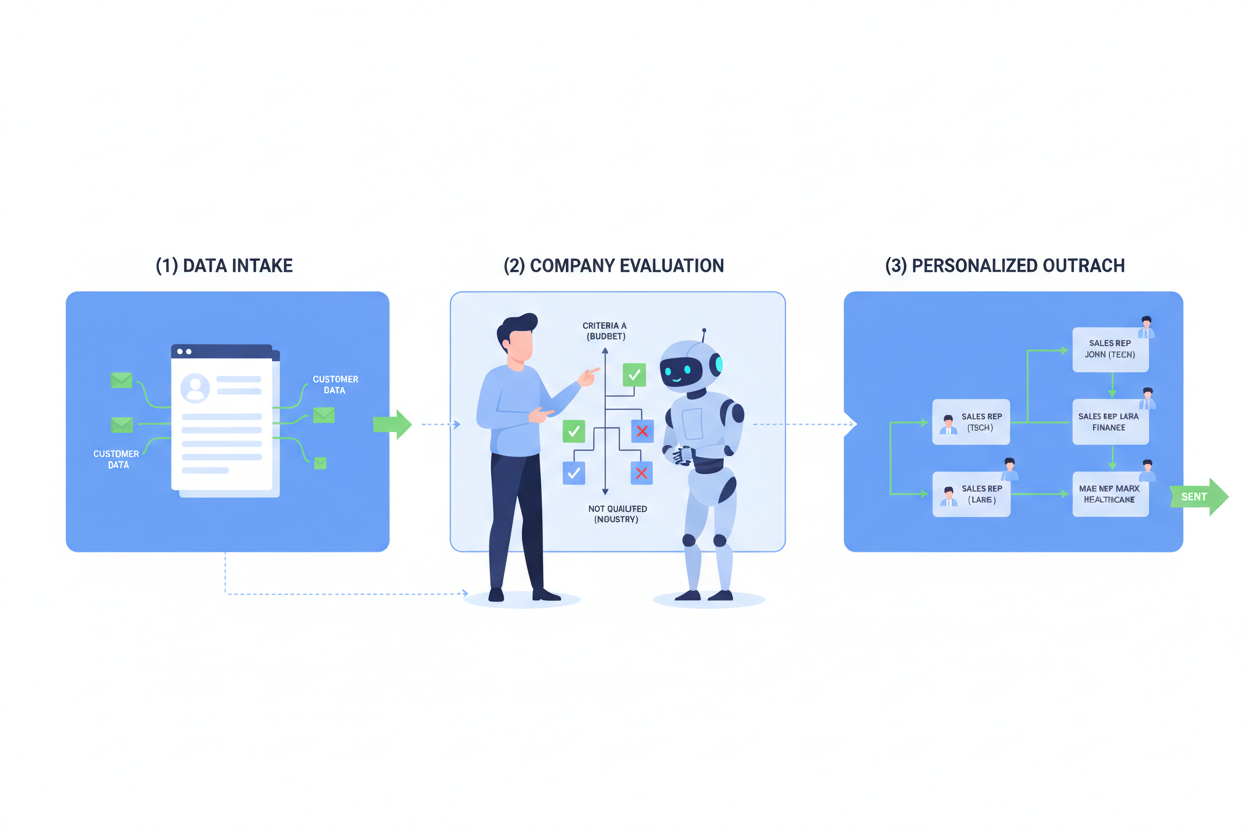
The setup process starts with defining your agent’s purpose in plain English. You literally tell the agent what you want it to do, just like you would explain a task to a new team member. For example, “When a new lead submits our contact form, check their company size and budget, then assign them to the appropriate sales rep and send a personalized welcome email.”
Next, you’ll connect the relevant apps and services that your agent will need to access. This might include your CRM, email platform, project management tool, or any other software your business relies on. The integration process has become much more user-friendly, with most popular business applications offering seamless connections.
Testing is crucial during the initial setup phase. Start with a small subset of data or a limited scope to ensure your agent behaves as expected. You can always expand its capabilities once you’re confident in its performance.
Advanced Strategies for Maximum Efficiency ⚡
Once you’ve mastered the basics, there are several advanced strategies that can multiply the effectiveness of your Zapier Agents. One powerful approach is creating agent networks – multiple agents that work together to handle complex, multi-faceted processes.
For instance, you might have one agent focused on lead qualification, another handling initial outreach, and a third managing follow-up sequences. These agents can communicate with each other, sharing information and triggering subsequent actions based on outcomes from previous steps.
Conditional logic and branching scenarios allow your agents to handle various situations intelligently. Instead of creating separate workflows for different scenarios, a single agent can evaluate conditions and choose the appropriate path forward. This reduces complexity while increasing flexibility.
Integration with AI tools like ChatGPT or Claude can supercharge your agents’ capabilities. They can generate personalized content, analyze sentiment, create summaries, or even make recommendations based on data patterns they identify.
Data enrichment is another advanced strategy worth exploring. Your agents can automatically gather additional information about leads, customers, or prospects from various sources, creating more complete profiles that enable better decision-making and personalization.
Common Challenges and How to Overcome Them 🔧
Like any technology, Zapier Agents come with their own set of challenges that you’ll need to navigate. One of the most common issues I encounter is over-automation – trying to automate everything at once rather than taking a measured, strategic approach.
The solution is to implement automation gradually, focusing on high-impact, low-complexity tasks first. This allows you to build confidence and expertise while minimizing the risk of disrupting critical business processes.
Data quality issues can also pose significant challenges. If your source data is inconsistent or incomplete, your agents may make incorrect decisions or produce unreliable results. Establishing data hygiene practices and validation rules upfront can prevent many of these problems.
Security and privacy concerns are legitimate considerations, especially when dealing with sensitive customer or business information. Ensure that you understand the security measures in place for any connected applications and establish appropriate access controls and monitoring procedures.
Change management within your organization is often overlooked but critically important. Team members may resist automation if they feel threatened or don’t understand how it benefits them. Clear communication about the goals and benefits of automation, along with proper training, can help smooth this transition.
The Future of AI-Powered Automation 🔮
Looking ahead, the trajectory of AI-powered automation is incredibly exciting. We’re moving toward a future where agents will become even more intelligent, capable of learning from outcomes and continuously improving their performance without human intervention.
Predictive capabilities are already emerging, with agents that can anticipate needs based on historical patterns and seasonal trends. Imagine an agent that automatically adjusts your marketing campaigns based on predicted customer behavior or optimizes inventory levels before demand spikes occur.
The integration between different AI systems will become more seamless, creating ecosystems of intelligent automation that can handle increasingly complex business scenarios. We’re talking about agents that can coordinate across multiple departments, manage entire project lifecycles, and even contribute to strategic decision-making processes.
Natural language interfaces will continue to improve, making it even easier for non-technical users to create and modify automation workflows. Eventually, we may reach a point where managing automation feels more like having a conversation than programming a system.
Conclusion 🎯
As we’ve explored throughout this post, Zapier Agents represent a significant leap forward in workflow automation technology. They offer the perfect combination of power and accessibility, enabling businesses of all sizes to achieve levels of efficiency that were previously unimaginable.
The key to success with these tools lies in starting with clear objectives, implementing gradually, and continuously optimizing based on results. Don’t try to automate everything overnight – focus on high-impact opportunities where automation can genuinely transform your operations.
Remember that automation is not about replacing human creativity and judgment; it’s about freeing up your time and mental energy to focus on the work that truly matters. When you eliminate the mundane, repetitive tasks from your daily routine, you create space for innovation, relationship-building, and strategic thinking.
The businesses that embrace AI-powered automation tools like Zapier Agents today will have a significant competitive advantage tomorrow. The technology is mature enough to be reliable, yet still evolving rapidly enough that early adopters can shape how it develops to meet their specific needs.
Whether you’re a solopreneur looking to scale your operations or part of a large organization seeking efficiency gains, 2025 is the perfect time to explore what Zapier Agents can do for your workflow automation needs. The future of work is automated, intelligent, and more human than ever before.
Frequently Asked Questions ❓
Q: How much technical knowledge do I need to set up Zapier Agents?
A: You don’t need any coding experience to get started with Zapier Agents. The platform is designed for non-technical users and uses natural language instructions. If you can write an email or create a to-do list, you can set up basic automation workflows.
Q: Are Zapier Agents secure for handling sensitive business data?
A: Yes, Zapier implements enterprise-grade security measures including data encryption, SOC 2 compliance, and GDPR compliance. However, you should always review the security policies of any connected applications and establish appropriate access controls within your organization.
Q: What’s the difference between traditional Zaps and Zapier Agents?
A: Traditional Zaps follow simple trigger-action logic, while Zapier Agents can understand context, make decisions, and handle complex multi-step processes. Agents use AI to interpret instructions and adapt their behavior, making them much more flexible and intelligent than basic automations.
Q: How much can I expect to save by implementing Zapier Agents?
A: Savings vary depending on your specific use case, but many businesses report saving 10-20 hours per week on routine tasks. The ROI typically becomes positive within the first few months, especially when you factor in improved accuracy and the ability to scale operations without additional headcount.
Q: Can Zapier Agents work with custom or proprietary software?
A: Zapier supports thousands of applications, and new integrations are added regularly. For custom software, you may need to use webhooks or APIs, but many popular business applications already have native Zapier integrations available.
Q: What happens if a Zapier Agent makes a mistake?
A: Zapier Agents include monitoring and logging features that track all actions taken. You can set up alerts for specific conditions and implement approval workflows for critical processes. Most agents also include rollback capabilities for reversible actions.