Image Editing in 2025: GIMP vs. Photoshop
Welcome to the future of image editing! As we step into 2025, the landscape of digital creativity continues to evolve, with tools like GIMP and Photoshop leading the charge. Both have been around for decades, yet they remain at the forefront of innovation, catering to professionals and hobbyists alike. This blog post dives into the unique features, advantages, and potential drawbacks of GIMP and Photoshop, helping you choose the right tool for your creative journey.
Table of Contents
1. Introduction to Image Editing in 2025
2. GIMP: The Open-Source Powerhouse
3. Photoshop: The Industry Standard
4. Key Features Comparison
5. Pricing and Accessibility
6. User Experience and Learning Curve
7. Conclusion
8. FAQs
Introduction to Image Editing in 2025
As technology advances, the tools we use for image editing have become more sophisticated, yet more intuitive. In 2025, the demand for high-quality digital content is higher than ever, with creators seeking tools that balance power and ease of use. While new software options emerge, GIMP and Photoshop remain popular choices for their robust capabilities.
GIMP: The Open-Source Powerhouse
GIMP, or GNU Image Manipulation Program, is a free, open-source image editor that’s been a favorite among enthusiasts and professionals alike. It offers a range of features that rival expensive software, making it an attractive option for those on a budget.
💡 Key Features:
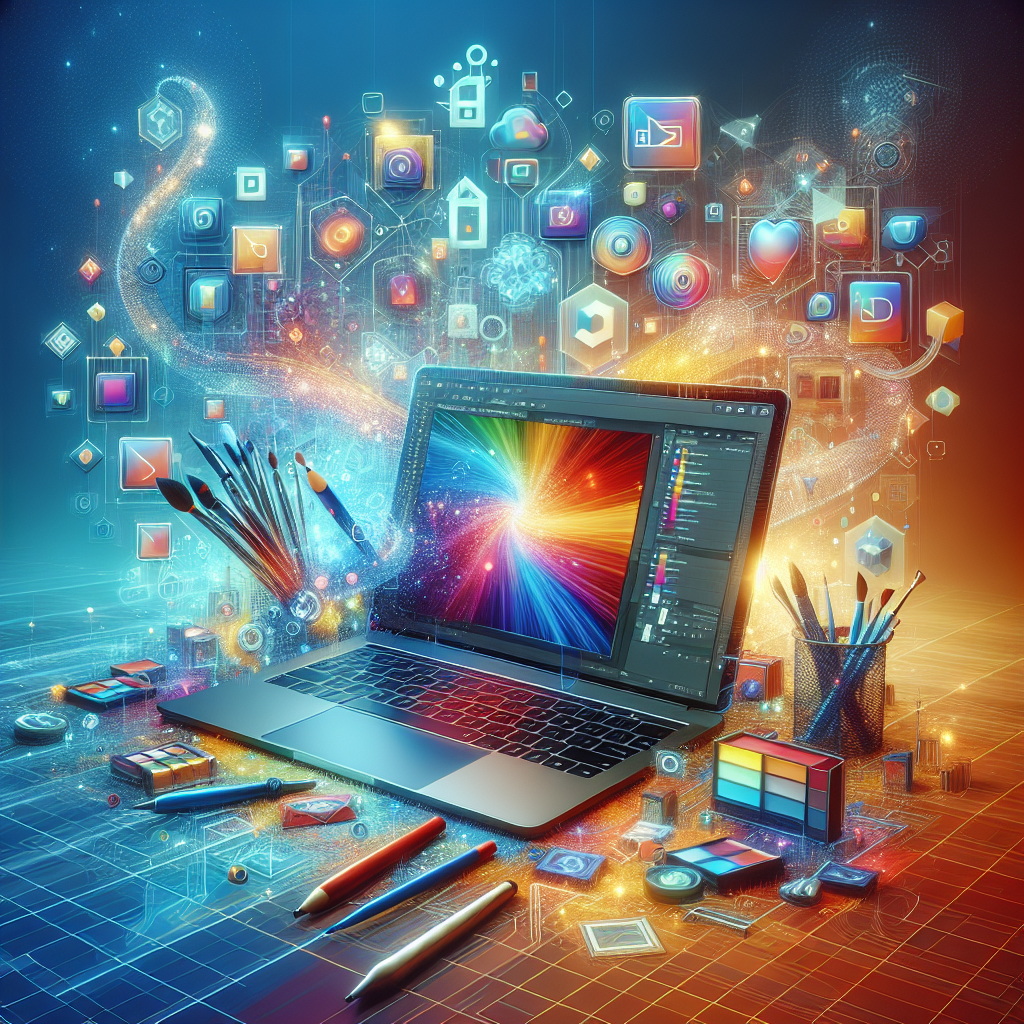
GIMP boasts a comprehensive suite of tools, including customizable brushes, layers, and filters. In 2025, GIMP has enhanced its user interface, making it more accessible to newcomers while retaining depth for seasoned users. The active community continues to develop plugins and scripts, expanding its functionality further.
🔧 Customization:
One of GIMP’s standout features is its high level of customization. Users can tailor the interface and tools to their specific needs, allowing for a personalized editing experience. This flexibility is a significant advantage for those who like to tinker and optimize their workflow.
Photoshop: The Industry Standard
Photoshop has been the go-to image editing software for professionals across various industries. In 2025, it remains a leader thanks to its comprehensive feature set and continuous innovation.
🖌️ Professional Tools:
Photoshop’s extensive range of tools, from advanced retouching techniques to 3D modeling capabilities, makes it an indispensable tool for professionals. The integration with Adobe’s Creative Cloud ecosystem further enhances its appeal, allowing seamless collaboration and storage solutions.
🔍 Sophisticated AI Enhancements:
In 2025, Photoshop leverages AI technology to offer features like automatic background removal and intelligent content-aware fills. These time-saving tools streamline the editing process, allowing creators to focus more on their artistic vision.
Key Features Comparison
While both GIMP and Photoshop offer powerful features, choosing between them often depends on specific needs and preferences.
📊 Performance:
Photoshop generally offers faster performance and more polished features due to its proprietary nature and dedicated development team. GIMP, while slightly behind in performance, makes up for it with its lightweight nature and community-driven enhancements.
🔄 Compatibility:
Photoshop’s integration with the Creative Cloud suite is a significant advantage for those already invested in Adobe’s ecosystem. GIMP, on the other hand, supports a wide range of file formats, making it versatile for various workflows.
Pricing and Accessibility
💰 Cost:
GIMP’s greatest advantage is its cost—free for everyone! This openness makes it accessible to anyone, anywhere. Photoshop, while offering a trial period, requires a subscription, which can be a barrier for some users.
🌍 Availability:
Both applications are available on multiple operating systems, including Windows, macOS, and Linux. However, Photoshop’s cloud-based model offers additional benefits like easy access to updates and cloud storage, which can be a game-changer for professional workflows.
User Experience and Learning Curve
🧩 Ease of Use:
Photoshop, despite its complexity, offers a more streamlined and polished user experience. Its tutorials and extensive documentation make it easier for beginners to start their editing journey. GIMP, while powerful, often requires a steeper learning curve due to its less intuitive interface.
📚 Learning Resources:
Both GIMP and Photoshop have extensive online communities and resources. However, Photoshop’s dominance in the industry translates to a broader array of tutorials, forums, and courses, which can be crucial for learners.
Conclusion
In the battle of GIMP vs. Photoshop in 2025, the decision ultimately boils down to your specific needs and preferences. If you’re looking for a cost-effective, open-source solution with a high degree of customization, GIMP is an excellent choice. However, if you require a more polished, professional-grade tool with advanced features and seamless integration within a creative suite, Photoshop remains the industry standard. Both tools continue to evolve, ensuring that whichever you choose, you’ll be well-equipped for your creative endeavors.
FAQs
1. Is GIMP completely free to use in 2025?
Yes, GIMP remains an open-source and free tool, supported by a dedicated community of developers and users.
2. Can I use Photoshop without a subscription?
No, Photoshop requires a subscription to Adobe Creative Cloud, but it offers various pricing tiers to accommodate different user needs.
3. Are there any new features in GIMP and Photoshop in 2025?
Both GIMP and Photoshop have introduced various updates in 2025, including AI-powered tools in Photoshop and UI enhancements in GIMP.
🌟 Whether you’re a professional designer or a casual creator, the future of image editing is bright with possibilities! Explore, create, and transform your visions into reality. Happy editing! 🌟