Exploring the Best Communication Platforms as Slack Alternatives in 2025 🚀
Let’s be honest – while Slack has dominated the workplace communication scene for years, it’s not the perfect fit for everyone. Whether you’re dealing with budget constraints, seeking better features, or simply want to explore what else is out there, 2025 has brought us some incredible alternatives that might just revolutionize how your team communicates.
I’ve spent countless hours testing various communication platforms, and I’m excited to share my findings with you. From budget-friendly options to feature-rich powerhouses, there’s something for every team size and need. Let’s dive into the world of Slack alternatives that are making waves this year! 💬
Table of Contents
• Why Consider Slack Alternatives in 2025?
• Top Communication Platform Alternatives
• Microsoft Teams: The Enterprise Favorite
• Discord: Beyond Gaming Communities
• Mattermost: Open-Source Excellence
• Rocket.Chat: Self-Hosted Freedom
• Chanty: Simple and Affordable
• Twist: Organized Team Communication
• Choosing the Right Platform for Your Team
• Migration Tips and Best Practices
• Conclusion
• Frequently Asked Questions
Why Consider Slack Alternatives in 2025? 🤔
Before we jump into the alternatives, let’s talk about why you might be looking beyond Slack in the first place. Don’t get me wrong – Slack is a solid platform, but it’s not without its challenges.
First up is cost. Slack’s pricing has become increasingly steep, especially for growing teams. When you’re paying per user per month, those costs can snowball quickly. I’ve seen startups struggle with this exact issue, watching their communication budget eat into other essential expenses.
Then there’s the feature bloat. Slack has added so many features over the years that it can feel overwhelming. Sometimes you just want straightforward team communication without bells and whistles you’ll never use. Performance can also be an issue – I’ve experienced those frustrating moments when Slack decides to be sluggish right when you need it most.
Security and compliance requirements are another major consideration. Some organizations need specific security features or data residency options that Slack doesn’t provide. Finally, integration limitations can be a real pain point when your favorite tools don’t play nicely with Slack’s ecosystem.
Top Communication Platform Alternatives 🌟
The communication platform landscape has evolved dramatically, and 2025 offers some genuinely impressive alternatives. Each platform I’m about to discuss brings something unique to the table, whether it’s superior pricing, better features, or specialized functionality.
Microsoft Teams: The Enterprise Favorite 💼
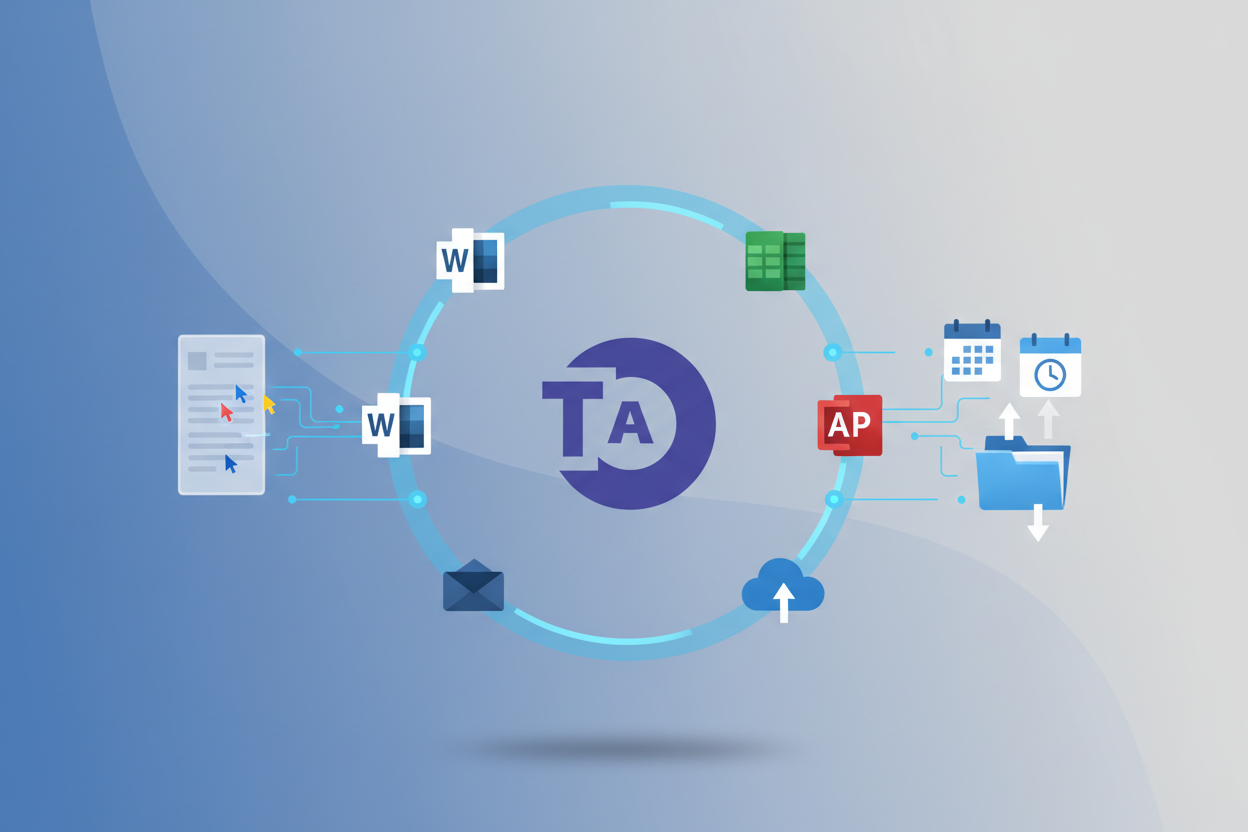
If your organization is already invested in the Microsoft ecosystem, Teams is probably the most obvious Slack alternative. What I love about Teams is how seamlessly it integrates with Office 365 applications. You can edit documents collaboratively right within the chat interface, schedule meetings through Outlook integration, and access your OneDrive files without switching applications.
The video conferencing capabilities are particularly impressive. While Slack’s video calls feel like an afterthought, Teams was built with video collaboration at its core. The breakout rooms, screen sharing options, and meeting recording features are enterprise-grade quality.
However, Teams can feel overwhelming if you’re coming from a simpler platform. The interface takes some getting used to, and the notification system can be aggressive. But for larger organizations, especially those already using Microsoft products, the value proposition is hard to beat.
Discord: Beyond Gaming Communities 🎮
Here’s where things get interesting. Discord has been making serious moves into the business communication space, and honestly, it’s pretty impressive. Originally designed for gaming communities, Discord’s approach to channels and voice communication creates a more dynamic, engaging environment than traditional business platforms.
The voice channels are game-changers – literally. Instead of scheduling formal meetings, team members can drop into voice channels for quick conversations, creating a more natural, office-like atmosphere for remote teams. The screen sharing is smooth, the mobile app is fantastic, and the customization options are endless.
What surprised me most about Discord for business use is how it encourages spontaneous collaboration. The always-on voice channels mean you can quickly bounce ideas off colleagues without the formality of scheduled calls. Plus, it’s free for most team sizes, which is a huge advantage for budget-conscious organizations.
Mattermost: Open-Source Excellence 🔓
For teams that prioritize control and customization, Mattermost is a fantastic option. As an open-source platform, you have complete control over your data, hosting, and customization. This is particularly appealing for organizations with strict security requirements or those who want to avoid vendor lock-in.
The interface feels familiar if you’re coming from Slack – the learning curve is minimal. But what sets Mattermost apart is the level of customization possible. You can modify the platform to fit your exact workflow needs, integrate with virtually any tool, and ensure your data never leaves your servers.
I’ve worked with development teams who swear by Mattermost because of its robust integration capabilities and the ability to customize notifications and workflows. The downside? You’ll need technical expertise to set up and maintain a self-hosted instance, though they do offer cloud hosting options.
Rocket.Chat: Self-Hosted Freedom 🚀
Another excellent open-source option, Rocket.Chat offers the flexibility of self-hosting with enterprise-grade features. What I appreciate about Rocket.Chat is its focus on security and compliance. It’s been adopted by government agencies and highly regulated industries because of its robust security features and audit capabilities.
The platform supports end-to-end encryption, has excellent mobile apps, and offers features like audio/video conferencing, screen sharing, and file sharing out of the box. The omnichannel capabilities are particularly impressive – you can integrate customer support channels, social media, and internal communications into one platform.
Rocket.Chat also offers a cloud-hosted option if you don’t want to manage your own servers. The pricing is competitive, and the feature set rivals much more expensive enterprise solutions.
Chanty: Simple and Affordable 💰
Sometimes simplicity wins, and Chanty proves this point beautifully. This platform focuses on doing the basics exceptionally well rather than overwhelming users with features they don’t need. The interface is clean, intuitive, and fast – something that becomes increasingly important when you’re using the platform daily.
What impressed me about Chanty is how they’ve streamlined the user experience. Creating channels, managing notifications, and finding old conversations is straightforward. The search functionality is surprisingly good, and the mobile app maintains the same simplicity as the desktop version.
The pricing is very competitive, especially for small to medium-sized teams. While it might lack some advanced features that larger enterprises need, for most teams, Chanty provides everything necessary for effective communication without the complexity.
Twist: Organized Team Communication 📝
Twist takes a different approach to team communication by organizing conversations into threads by default. This might sound like a small difference, but it fundamentally changes how information is shared and retrieved. Instead of the chaotic stream of messages common in other platforms, Twist encourages more thoughtful, organized communication.
This threading approach reduces notification fatigue and makes it much easier to follow multiple conversations simultaneously. I’ve found it particularly useful for distributed teams where asynchronous communication is essential. The ability to mark threads as read/unread and the powerful search capabilities make information management much more effective.
Twist also integrates well with popular productivity tools and offers a clean, distraction-free interface that promotes focused work. It’s an excellent choice for teams that want to reduce communication chaos and improve information organization.
Choosing the Right Platform for Your Team 🎯
Selecting the right communication platform depends on several factors specific to your organization. Team size is crucial – what works for a 10-person startup might not scale for a 500-person enterprise. Budget constraints obviously matter, but don’t just look at the monthly cost per user. Consider the total cost of ownership, including setup, training, and potential productivity impacts during migration.
Technical requirements are often overlooked but critically important. Do you need self-hosting capabilities? Are there specific compliance requirements? What about integration with existing tools? Make a list of must-have features versus nice-to-have features.
Company culture plays a bigger role than you might expect. Some teams thrive with the casual, always-on nature of Discord, while others prefer the structured approach of Twist. Consider how your team currently communicates and what behaviors you want to encourage or discourage.
Migration Tips and Best Practices 📋
If you’ve decided to make the switch, proper migration planning is essential. Start with a pilot group – don’t migrate your entire organization at once. Choose a small, tech-savvy team to test the new platform and work out any issues before rolling it out company-wide.
Data migration is often more complex than expected. While most platforms offer import tools, they don’t always capture everything perfectly. Plan for some manual cleanup and accept that you might lose some historical data formatting.
Training is crucial but often underestimated. Even if the new platform seems intuitive, schedule proper training sessions. Create quick reference guides and designate platform champions who can help colleagues during the transition.
Run platforms in parallel for a transition period. This reduces anxiety about losing important communications and gives everyone time to adapt gradually. Set a clear cutoff date for the old platform to prevent teams from reverting to familiar tools.
Conclusion: Finding Your Perfect Communication Match ✨
The communication platform landscape in 2025 offers incredible diversity, and that’s fantastic news for teams looking beyond Slack. Whether you prioritize cost-effectiveness, advanced features, security, or simplicity, there’s likely a platform that fits your specific needs perfectly.
Remember that the “best” platform is the one your team will actually use effectively. Sometimes that means choosing the option with fewer features but better user adoption. Sometimes it means investing in a more complex platform that scales with your growth plans.
Take the time to properly evaluate your options. Most platforms offer free trials or freemium tiers – use them! Get your team involved in the decision-making process. After all, they’re the ones who’ll be using the platform daily.
The future of workplace communication is bright, diverse, and more accessible than ever. Your perfect Slack alternative is out there waiting to transform how your team collaborates and communicates! 🌈
Frequently Asked Questions 🤓
Q: Can I migrate my Slack data to other platforms?
A: Most major Slack alternatives offer migration tools to import your channels, messages, and files. However, the completeness of migration varies by platform. Some formatting and integrations might not transfer perfectly, so plan accordingly.
Q: Are free alternatives to Slack actually viable for business use?
A: Absolutely! Platforms like Discord, Mattermost (community edition), and others offer robust free tiers that can handle small to medium teams effectively. However, consider your long-term needs and whether you’ll eventually need paid features.
Q: How do these alternatives handle security compared to Slack?
A: Security varies significantly between platforms. Some, like Mattermost and Rocket.Chat, offer superior security through self-hosting and end-to-end encryption. Others, like Microsoft Teams, provide enterprise-grade security through established cloud infrastructure. Evaluate based on your specific security requirements.
Q: Which platform is best for remote teams?
A: Discord excels for remote teams due to its always-on voice channels and community feel. Microsoft Teams is excellent for video-heavy remote work. Twist works well for asynchronous communication across time zones. The best choice depends on your remote work style.
Q: How long does it typically take to migrate from Slack?
A: Migration timelines vary based on team size and data complexity. Small teams might complete migration in a week, while larger organizations should plan for 4-8 weeks including pilot testing, training, and gradual rollout. Don’t rush the process – proper migration prevents productivity losses.