The Ultimate Guide to Cloud Storage Apps for 2025
Apps, Cloud, Guides, How To, Resources, Reviews, SaaS, Software

The Ultimate Guide to Cloud Storage Apps for 2025

The Ultimate Guide to Cloud Storage Apps for 2025 Welcome to the future of digital storage! As we step into 2025, the way we store, share, and manage our data continues to evolve at a rapid pace. Whether you’re a student, a professional, or someone who just loves taking a lot of pictures, finding the right cloud storage app can make your life a whole lot easier. In this ultimate guide, we’ll explore the top cloud storage apps of 2025, what makes each one unique, and how you can choose the best option for your needs. πŸš€ Table of Contents 1. Introduction to Cloud Storage in 20252. Top Features to Look for in Cloud Storage Apps3. Best Cloud Storage Apps of 2025– App 1: SkyVault– App 2: CloudHaven– App 3: NimbusNet4. Choosing the Right App for You5. Conclusion6. FAQs Introduction to Cloud Storage in 2025 Cloud storage has become an essential service for both personal and professional use. With the rise of remote work and the increasing digitalization of our lives, the demand for secure, reliable, and efficient cloud storage solutions has never been higher. In 2025, cloud storage apps are not only focusing on larger storage capacities but also on enhanced security features, seamless integration with other apps, and advanced AI-driven search capabilities. πŸŒπŸ” Top Features to Look for in Cloud Storage Apps When choosing a cloud storage app, it’s important to consider several key features that can significantly impact your user experience. Here are some must-haves for 2025: 1. Security and Privacy πŸ”’ With increasing concerns over data breaches, top-notch security features are non-negotiable. Look for apps that offer end-to-end encryption, two-factor authentication, and robust privacy policies. 2. Storage Capacity πŸ“¦ Depending on your needs, you’ll want a service that offers scalable storage options. Whether you’re storing documents, photos, or large video files, make sure your chosen app can accommodate your data. 3. Integration and Compatibility πŸ”— Choose apps that seamlessly integrate with other tools you use daily, such as productivity suites, email services, or social media platforms. 4. User Interface and Experience πŸ–₯️ A user-friendly interface can make all the difference. Look for apps with intuitive design and navigation to make your life easier. 5. AI-Powered Features πŸ€– Advanced search, automated organization, and smart recommendations can save you time and enhance the way you use your storage. Best Cloud Storage Apps of 2025 App 1: SkyVault SkyVault has quickly become a favorite among users for its cutting-edge security features and vast storage options. Offering up to 10TB of storage, this app is perfect for heavy users who prioritize data security. Its AI-driven search function is incredibly powerful, helping you find files in seconds. Plus, its sleek design makes navigation a breeze. 🌟 App 2: CloudHaven CloudHaven stands out with its seamless integration capabilities. Whether you’re using Google Workspace, Microsoft Office, or any other major productivity suite, CloudHaven ensures a smooth transition and collaboration process. Its user-friendly interface is perfect for both tech-savvy and less tech-inclined users. Additionally, CloudHaven offers robust collaboration tools, making it ideal for teams. 🀝 App 3: NimbusNet NimbusNet is known for offering generous free storage options and a variety of customization features. It’s perfect for personal use, with excellent photo and video storage capabilities. NimbusNet also includes a unique featureβ€”personalized storage suggestions based on your usage patterns, thanks to its AI-driven insights. πŸ“·πŸŽ₯ Choosing the Right App for You When selecting the right cloud storage app, consider what matters most to you. Are you prioritizing security, ease of use, or maybe the ability to collaborate effectively? Reflect on your personal or professional needs and match them with the features offered by each app. Consider trying out free trials to get a feel for the interface and functionality before making a decision. A little experimentation can lead to the perfect match! πŸ”β€οΈ Conclusion In 2025, cloud storage apps are more advanced and user-friendly than ever before. Whether you need expansive storage for your professional life or a simple, secure place to store your personal memories, there’s a perfect app out there for you. By focusing on the features that matter most to you, you can find a service that will not only meet but exceed your expectations. Happy storing! 🌈✨ FAQs 1. What is the best cloud storage for security in 2025? SkyVault is highly recommended for its advanced security features, including end-to-end encryption and two-factor authentication. 2. Can I use cloud storage apps offline? Most cloud storage apps offer offline access to files downloaded on your device, but full functionality requires an internet connection. 3. How do AI features enhance cloud storage apps? AI features can improve search capabilities, automate file organization, and offer insights into storage usage, making them highly convenient and efficient. 4. Are there free cloud storage options available? Yes, NimbusNet offers generous free storage plans, making it a great choice for personal use without a financial commitment. 5. How do I know which cloud storage app is right for me? Evaluate your specific needs, such as storage capacity, security, and integration requirements, and consider trying free trials to see which app feels the most intuitive and useful for your workflow. Check Out More On My Page

Cloud Storage Options
Cloud, Resources, Reviews, Software

Top 10 Free Cloud Storage Options for Your Photos in 2025

Top 10 Free Cloud Storage Options for Your Photos in 2025 In today’s digital age, capturing moments has never been easier. Whether it’s a breathtaking sunset or a family gathering, our cameras and phones are constantly filled with memories. But where do we store all these precious photos? Thankfully, there are numerous free cloud storage options available to safeguard your images. In this post, we’ll explore the top 10 free cloud storage services for your photos in 2025. πŸ“Έβœ¨ Table of Contents 1. Google Photos2. Apple iCloud3. Amazon Photos4. Dropbox5. Microsoft OneDrive6. Flickr7. pCloud8. Mega9. Degoo10. Conclusion11. FAQs Google Photos Google Photos remains a top choice for many due to its seamless integration with other Google services. It offers 15GB of free storage shared across Google Drive, Gmail, and Photos. The AI-powered search makes finding photos a breeze, and its easy-to-use interface is a major plus. Plus, the automatic organization by people, places, and things is a lifesaver! 🌟 Apple iCloud For Apple users, iCloud is the go-to option. Offering 5GB of free storage, it effortlessly syncs across all Apple devices, ensuring your photos are always at your fingertips. The “Optimize Storage” feature is particularly handy for saving space on your devices while still keeping your photos accessible. 🍏 Amazon Photos Amazon Photos is a hidden gem for Amazon Prime members, offering unlimited photo storage. Yes, you read that rightβ€”unlimited! Even if you’re not a Prime member, you get 5GB of free storage. The app’s Family Vault feature allows sharing with up to five family members, making it a great choice for families. 🏠 Dropbox Known for its reliability, Dropbox provides 2GB of free storage, which can be expanded through referrals and other tasks. It’s perfect for those who value simplicity and security. The app’s integration with various third-party apps makes it a versatile option. πŸ”’ Microsoft OneDrive With 5GB of free storage, OneDrive is a solid choice, especially for Windows users. Its seamless integration with Microsoft Office makes it ideal for those who frequently use Word, Excel, and PowerPoint. The “Personal Vault” offers an added layer of security for your most important photos. πŸ–₯️ Flickr Flickr offers 1,000 free photo uploads, making it a favorite among photographers. The platform is not just for storage; it’s also a community where you can share and discover amazing photography. Whether you’re a professional or an amateur, Flickr is worth considering. πŸ“· pCloud pCloud stands out with its 10GB of free storage and user-friendly interface. It offers file versioning and data recovery features, ensuring your photos are always safe. Plus, its media player lets you stream your photos and videos directly from the cloud. 🎢 Mega Mega offers a generous 20GB of free storage, which can be increased through various achievements. Known for its strong encryption, Mega ensures your photos are secure and private. If privacy is a top priority for you, Mega is a solid option. πŸ” Degoo Degoo offers an impressive 100GB of free storage, making it one of the most generous options available. While it primarily focuses on photo storage, its AI-based features make it more than just a backup service. It’s perfect for those who need a lot of space at no cost. 🌐 Conclusion Choosing the right cloud storage for your photos depends on your needsβ€”whether you prioritize space, integration, or security. Each of these options offers unique features that cater to different preferences. Explore these services, and find the one that fits your lifestyle best. Happy photo storing! πŸ“Έβ˜οΈ FAQs 1. Which cloud storage offers the most free space for photos? Degoo offers the most free space with 100GB, making it ideal for users who require a large amount of storage without spending a dime. 2. Can I use multiple cloud storage services at the same time? Absolutely! Many people use multiple services to take advantage of different features and maximize free storage across platforms. 3. Is it safe to store my photos on cloud services? Most reputable cloud storage services offer robust security measures, including encryption, to protect your photos. It’s always a good idea to read up on a service’s security features before committing. 4. How can I increase my free storage on Dropbox? You can increase your Dropbox storage by referring friends, completing tutorials, and participating in promotions offered by Dropbox. 5. Do cloud storage services compress photos? Some services may offer options to store compressed versions of photos to save space, while others maintain the original quality. It’s best to check the specific settings of each service. Check Out More On My Page

SaaS

Security Automation: Streamlining Threat Detection in SaaS

Security Automation: Streamlining Threat Detection in SaaS As the digital landscape continues to evolve, the demand for efficient and robust security measures in Software as a Service (SaaS) platforms has never been more critical. With cybersecurity threats becoming increasingly sophisticated, the integration of security automation tools is essential for safeguarding sensitive data. This blog post explores how security automation is revolutionizing threat detection in SaaS, providing both peace of mind and operational efficiency. Table of Contents 1. Introduction to Security Automation in SaaS2. The Importance of Threat Detection 🚨3. How Security Automation Works in SaaS4. Benefits of Automating Threat Detection5. Overcoming Challenges in Security Automation6. Conclusion: The Future of Security in SaaS7. FAQ Section Introduction to Security Automation in SaaS Security automation refers to the use of technology to perform security operations tasks with minimal human intervention. In the context of SaaS, this approach is used to identify and mitigate potential cybersecurity threats before they can cause harm. By automating repetitive and time-consuming tasks, businesses can focus on strategic initiatives while maintaining a robust security posture. The Importance of Threat Detection 🚨 Threat detection is a crucial component of cybersecurity. It involves identifying, monitoring, and responding to potential security threats that could compromise the integrity of SaaS applications. With businesses increasingly relying on SaaS for various operational needs, the risk of cyberattacks is higher than ever. Effective threat detection ensures that any malicious activity is promptly identified and neutralized, protecting both the business and its customers. How Security Automation Works in SaaS Security automation in SaaS is driven by advanced technologies such as artificial intelligence (AI) and machine learning (ML). These technologies enable systems to learn from past incidents and continuously improve their threat detection capabilities. Here’s a simplified breakdown of how it works: 1. Data Collection: Automated systems gather data from various sources, including network traffic, user activity logs, and external threat intelligence feeds. 2. Threat Analysis: AI and ML algorithms analyze the collected data to identify patterns and anomalies that may indicate a security threat. 3. Automated Response: Once a potential threat is detected, the system can automatically initiate predefined response actions, such as alerting security teams or isolating affected systems. This process not only enhances the speed and accuracy of threat detection but also reduces the likelihood of human error. Benefits of Automating Threat Detection Integrating security automation into SaaS platforms offers numerous advantages: 🌟 Efficiency: Automation streamlines threat detection processes, allowing security teams to focus on complex incidents that require human intervention. 🌟 Scalability: As businesses grow, so do their security needs. Automated systems can easily scale to handle increased data volumes without compromising performance. 🌟 Cost-Effectiveness: By reducing the need for manual monitoring and response, businesses can lower operational costs associated with cybersecurity. 🌟 Continuous Monitoring: Automated systems provide 24/7 monitoring, ensuring that threats are detected and addressed promptly, even outside of business hours. Overcoming Challenges in Security Automation While security automation offers significant benefits, it is not without challenges. Here are a few common hurdles businesses may face: Integration with Legacy Systems: Many organizations use legacy systems that may not be compatible with modern automation tools. Overcoming this requires careful planning and potentially upgrading outdated infrastructure. False Positives: Automated systems can sometimes flag legitimate activities as threats. It’s crucial to fine-tune algorithms to reduce false positives, thereby minimizing disruptions. Skill Gaps: Implementing and managing security automation tools requires specialized skills. Businesses need to invest in training or hiring personnel with expertise in AI and cybersecurity. Conclusion: The Future of Security in SaaS As cyber threats continue to evolve, the importance of security automation in SaaS will only grow. By leveraging advanced technologies, businesses can enhance their threat detection capabilities, protect valuable data, and maintain customer trust. While challenges exist, the benefits of automation far outweigh the drawbacks, making it a vital component of any modern cybersecurity strategy. FAQ Section 1. What is security automation?Security automation involves using technology to perform security tasks with minimal human intervention, improving efficiency and reducing the risk of human error. 2. Why is threat detection important in SaaS?Threat detection is crucial for identifying and mitigating potential security threats, protecting sensitive data, and maintaining the integrity of SaaS applications. 3. How does AI improve threat detection in SaaS?AI enhances threat detection by analyzing data for patterns and anomalies, allowing for faster and more accurate identification of potential threats. 4. What are the benefits of automating threat detection?Key benefits include increased efficiency, scalability, cost-effectiveness, and continuous monitoring, all of which enhance a business’s cybersecurity posture. 5. What challenges might businesses face with security automation?Challenges include integrating with legacy systems, managing false positives, and addressing skill gaps in cybersecurity expertise. Embracing security automation is essential for any business seeking to protect its digital assets in today’s increasingly complex threat landscape. By staying informed and proactive, organizations can ensure they are well-equipped to handle any cybersecurity challenges that come their way. πŸŒπŸ”’

SaaS

Cloud Security: Protecting Your SaaS Data in 2025

Cloud Security: Protecting Your SaaS Data in 2025 As we soar into 2025, the landscape of cloud security is evolving faster than ever. With the increasing reliance on Software as a Service (SaaS) platforms, safeguarding your data against potential threats is not just crucialβ€”it’s imperative. In this post, we delve into modern strategies for protecting your SaaS data in the cloud, ensuring your business remains secure and agile. Table of Contents 1. Introduction: The Current State of Cloud Security2. Understanding SaaS Vulnerabilities3. Key Strategies for SaaS Data Protection4. The Role of AI and Machine Learning in Cloud Security5. Best Practices for Secure SaaS Implementation6. Conclusion: Staying Ahead in the Cloud Security Game7. FAQ: Your Cloud Security Questions Answered Introduction: The Current State of Cloud Security In 2025, cloud security is a top priority for businesses across the globe. With cyber threats becoming more sophisticated, companies must adapt and implement robust security measures. But what does the current state of cloud security look like? Today, businesses are leveraging cloud-based solutions more than ever. While this shift offers numerous advantagesβ€”scalability, flexibility, and cost-effectivenessβ€”it also introduces new challenges in data protection. As the digital landscape evolves, so too must our approach to securing data in the cloud. Understanding SaaS Vulnerabilities Before diving into protection strategies, it’s essential to understand the vulnerabilities associated with SaaS platforms: – **Data Breaches**: Unauthorized access can lead to sensitive data exposure. πŸ”“– **Insider Threats**: Employees with access may inadvertently or maliciously compromise data integrity.– **Inadequate Authentication**: Weak authentication protocols can open doors to cybercriminals.– **API Vulnerabilities**: Poorly secured APIs can be exploited to access data and services. Key Strategies for SaaS Data Protection Securing your SaaS data requires a multi-faceted approach. Here are key strategies to implement: Robust Encryption Encryption is the cornerstone of data security. By encrypting data both at rest and in transit, you ensure that even if it’s intercepted, it remains unreadable without the proper decryption key. πŸ” Multi-Factor Authentication (MFA) MFA adds an extra layer of security by requiring users to provide two or more verification factors to gain access. This drastically reduces the risk of unauthorized access. Regular Security Audits Conducting regular security audits helps identify vulnerabilities in your SaaS applications. These audits should be comprehensive and include penetration testing to evaluate your defenses. Data Loss Prevention (DLP) Tools DLP tools monitor data flow and prevent unauthorized sharing of sensitive information. They are essential in maintaining control over your data environment. The Role of AI and Machine Learning in Cloud Security Artificial Intelligence (AI) and Machine Learning (ML) are transforming how we approach cloud security. These technologies can: – **Detect Anomalies**: AI can identify unusual patterns in data access and flag potential security breaches. 🚨– **Automate Responses**: ML algorithms can automate threat responses, minimizing damage in the event of a breach.– **Enhance Predictive Analysis**: By analyzing past data, AI can predict and prevent future security incidents. Best Practices for Secure SaaS Implementation Implementing SaaS solutions securely involves more than just choosing the right software. Here are some best practices to consider: Vendor Assessment Before selecting a SaaS provider, conduct thorough due diligence to ensure they adhere to industry security standards and practices. User Training Equip your team with the knowledge to recognize and respond to phishing attempts and other social engineering attacks. Empowered users are your first line of defense. Access Control Implement strict access controls, ensuring that only authorized personnel can access sensitive data. Regularly review and update user permissions. Conclusion: Staying Ahead in the Cloud Security Game As we navigate the digital age, cloud security will continue to be a dynamic field. By understanding the risks and implementing robust security measures, businesses can protect their SaaS data effectively. Staying proactive and informed is key to safeguarding your digital assets in 2025 and beyond. FAQ: Your Cloud Security Questions Answered Q1: What is the biggest threat to SaaS data in 2025?A1: The biggest threat remains data breaches, often resulting from weak authentication and insider threats. Regular updates and robust security measures can mitigate these risks. Q2: How can AI improve cloud security?A2: AI can enhance cloud security by detecting anomalies, automating threat responses, and predicting potential security incidents through advanced analytics. Q3: What should I consider when choosing a SaaS provider?A3: Evaluate their security protocols, compliance with industry standards, and their history of data breaches. A good provider will prioritize security as much as you do. Q4: Is encryption enough to protect my data?A4: While encryption is crucial, it should be part of a broader security strategy that includes MFA, regular audits, and user training to ensure comprehensive protection. Q5: How often should I conduct security audits?A5: Security audits should be conducted at least annually, with additional checks when significant changes are made to your IT infrastructure or when new threats are identified.

SaaS

Compliance Tools: Ensuring SaaS Platforms Meet Regulations

Compliance Tools: Ensuring SaaS Platforms Meet Regulations In today’s rapidly evolving digital landscape, Software as a Service (SaaS) platforms are becoming essential tools for businesses of all sizes. However, with great power comes great responsibility, particularly when it comes to compliance. Ensuring that SaaS platforms meet regulatory requirements is not only a legal necessity but also a way to build trust with users. In this blog post, we’ll explore the importance of compliance tools in the SaaS industry and how they help platforms meet necessary regulations. Table of Contents 1. Introduction to Compliance in SaaS2. Why Compliance Matters πŸ›‘οΈ3. Key Regulations Affecting SaaS Platforms4. Essential Compliance Tools for SaaS5. Benefits of Using Compliance Tools6. Challenges in Implementing Compliance Tools7. Conclusion8. FAQ Section Introduction to Compliance in SaaS Compliance in the SaaS world refers to adhering to various laws, guidelines, and specifications relevant to the software industry. These regulations are designed to protect user data, ensure privacy, and maintain integrity. SaaS platforms, which often handle sensitive data, must continuously adapt to these requirements to avoid penalties and safeguard their reputation. Why Compliance Matters πŸ›‘οΈ Compliance isn’t just about avoiding hefty fines; it’s about building trust with your users. When users know their data is handled with care and in accordance with legal standards, they are more likely to engage and continue using the platform. Moreover, non-compliance can lead to significant financial losses, reputational damage, and legal repercussions. Key Regulations Affecting SaaS Platforms Several regulations impact the operation of SaaS platforms. Here are some of the most influential: General Data Protection Regulation (GDPR) The GDPR, implemented by the European Union, is one of the strictest data protection laws globally. It requires platforms to protect personal data and privacy of EU citizens for transactions occurring within EU member states. California Consumer Privacy Act (CCPA) Similar to GDPR, the CCPA gives California residents more control over the personal information that businesses collect about them. It mandates transparency and accountability for businesses operating in California. Health Insurance Portability and Accountability Act (HIPAA) For SaaS platforms handling health information, HIPAA compliance is crucial. It ensures that personal health information is properly protected. Essential Compliance Tools for SaaS Implementing the right compliance tools can simplify the process of adhering to regulations. Here are some critical tools to consider: Data Encryption Tools πŸ” Encrypting data ensures that even if there’s a breach, the data remains unreadable to unauthorized users. Tools like SSL certificates and advanced encryption standards (AES) are essential for securing sensitive information. Access Control Software Access control tools help regulate who can view or use resources in a computing environment. These are vital for ensuring that only authorized personnel have access to sensitive data. Audit and Monitoring Solutions Regular audits and continuous monitoring can identify compliance gaps and potential vulnerabilities. Tools that provide real-time alerts can help address issues swiftly. Policy Management Tools πŸ“œ These tools assist in creating, distributing, and managing policy documents to ensure all employees understand compliance requirements. Benefits of Using Compliance Tools Implementing compliance tools offers several advantages: Risk Reduction: By ensuring adherence to regulations, businesses can significantly reduce the risk of data breaches and associated penalties. Improved Efficiency: Automated compliance tools streamline processes, making it easier to maintain consistent practices across the organization. Enhanced Trust: Demonstrating a commitment to compliance builds customer confidence and can be a competitive advantage. Challenges in Implementing Compliance Tools While the benefits are clear, there are challenges to consider: Cost: High-quality compliance tools can be expensive, making them a significant investment for smaller companies. Complexity: Navigating various regulations and ensuring tools meet all requirements can be daunting without proper expertise. Continuous Updates: Regulations evolve, and keeping tools updated to remain compliant is an ongoing effort. Conclusion In the SaaS industry, compliance is a crucial element that cannot be overlooked. By leveraging the right compliance tools, platforms can not only meet regulatory requirements but also enhance their reputation and protect their users. As regulations continue to evolve, staying informed and equipped with the right tools will be essential for success. FAQ Section Q1: What happens if a SaaS platform is not compliant with regulations? A lack of compliance can result in legal penalties, financial fines, and damage to the company’s reputation. It can also lead to a loss of customer trust, which is vital for business longevity. Q2: Are compliance tools only necessary for large SaaS companies? No, compliance tools are essential for SaaS companies of all sizes. Smaller companies may face significant setbacks if found non-compliant, so investing in these tools is crucial regardless of size. Q3: How often should compliance tools be updated? Compliance tools should be updated regularly to align with the latest regulations and security threats. Continuous monitoring and periodic audits can help in keeping the tools effective. Q4: Can compliance tools alone ensure complete security? While compliance tools are essential, they should be part of a broader security strategy that includes employee training, regular audits, and a robust security framework. Q5: How can SaaS platforms stay updated with changing regulations? Subscribing to industry newsletters, attending webinars, and consulting with compliance experts can help SaaS platforms stay informed about regulatory changes.

Apps, Reviews

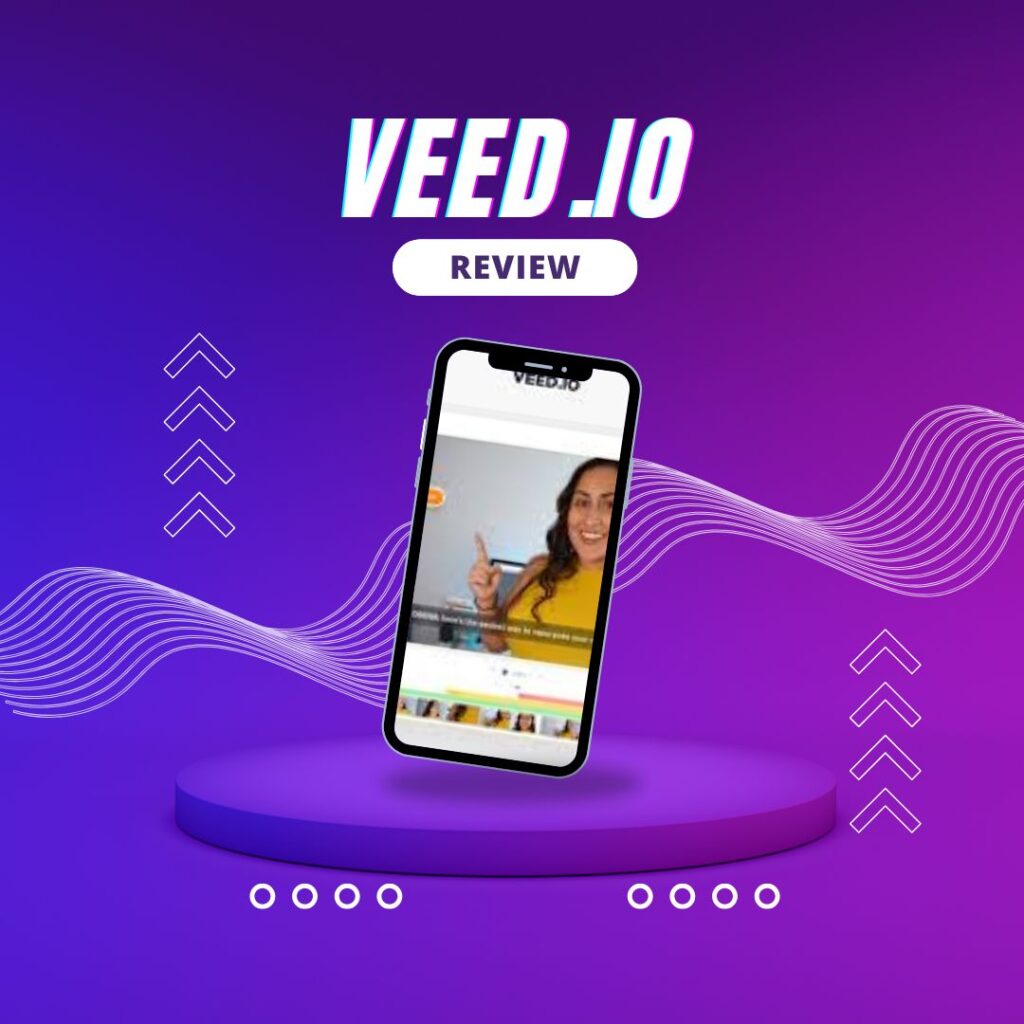
Veed.io: Features, User Experience and Pricing

  Veed.io: Your Ultimate Video Editing Companion πŸŽ₯ In today’s digital age, video content is king. Whether you’re a budding YouTuber or a seasoned content creator, having the right tools at your fingertips can make all the difference. Enter Veed.io, a powerful online video editing platform designed to make your life a whole lot easier. But, is it worth the hype? Let’s dive in and find out! Table of Contents πŸ“š 1. What is Veed.io? 2. Key Features of Veed.io 3. User Experience: Navigating the Platform 4. Pricing and Plans 5. Final Thoughts 6. FAQ What is Veed.io? πŸ€” Veed.io is an online video editing platform that caters to creators of all levels. It’s perfect whether you’re just starting out or you’re a pro. The best part? Everything is done right in your browser, so there’s no need for hefty downloads or installations. It’s like having a personal video studio in your pocket! Plus, with its cloud-based functionality, your projects are always accessible, no matter where you are. Key Features of Veed.io πŸ’‘ So, what makes Veed.io stand out from the crowd? Here are some of the standout features: 1. Easy-to-Use Interface: You don’t need a degree in film editing to use Veed.io. The interface is intuitive and user-friendly, making it accessible for everyone. 2. Subtitle Generator: Adding subtitles has never been easier. With Veed.io, you can auto-generate subtitles in just a few clicks, ensuring your content is accessible to a wider audience. 3. Rich Media Library: Veed.io offers a vast library of stock videos, images, and music tracks. It’s like a treasure chest for creators! 4. Collaboration Tools: Working on a team project? Veed.io allows for seamless collaboration, letting multiple users edit and review projects simultaneously. User Experience: Navigating the Platform πŸš€ From the moment you log in, Veed.io feels like a breath of fresh air. The dashboard is clean, and everything is exactly where you’d expect it to be. Editing a video is as simple as dragging and dropping your files into the timeline. Plus, with the ability to preview your edits in real-time, you can see your creative vision come to life instantly. One of my favorite features has to be the subtitle generator. I remember spending hours manually typing out subtitles for my videosβ€”what a chore! But with Veed.io, I can generate accurate subtitles in minutes. Now, I have more time to focus on what I love: creating engaging content. The platform also supports multiple languages, broadening your reach even further. Pricing and Plans πŸ’° Let’s talk money. Veed.io offers a range of pricing plans to suit different needs. Whether you’re a solo creator or part of a larger team, there’s an option for you. The plans range from a free version with basic features to more comprehensive packages for businesses. And here’s a little tip: if you’re curious, you can Try Veed For Free before committing to a paid plan. It’s a great way to test the waters and see if it fits your editing style. Final Thoughts πŸ’­ Overall, Veed.io is a fantastic tool for anyone looking to create professional-quality videos without the hassle. Its user-friendly interface, comprehensive features, and flexible pricing make it a top choice for creators worldwide. So, if you’re ready to elevate your video content, give Veed.io a shot! With its constant updates and customer support, you’ll always be equipped to handle your next big project. FAQ ❓ 1. Is Veed.io suitable for beginners? Absolutely! Veed.io’s intuitive design makes it perfect for beginners while still offering advanced features for more experienced users. 2. Can I collaborate with others on Veed.io? Yes! Veed.io offers collaboration tools that allow multiple users to work on the same project simultaneously. 3. How much does Veed.io cost? Veed.io offers a range of pricing plans, with a free version available. Paid plans provide access to more advanced features and start at competitive rates. 4. Do I need to download any software to use Veed.io? No downloads are necessary! Veed.io is entirely browser-based, so you can edit videos directly online. 5. Can I try Veed.io for free? Yes, you can Try Veed For Free to see if it’s the right fit for your video editing needs.  

SaaS

The Importance of Data Encryption in SaaS Applications

The Importance of Data Encryption in SaaS Applications In the fast-paced digital world, Software as a Service (SaaS) has become an integral part of businesses, offering flexibility and scalability. However, alongside its many benefits comes the critical responsibility of safeguarding sensitive data. This is where data encryption plays a pivotal role. Let’s dive into why data encryption is essential for SaaS applications and how it can protect your business and clients from potential threats. Table of Contents 1. Introduction to Data Encryption2. Why Encryption is Critical for SaaS Applications3. How Encryption Works in SaaS Environments4. Benefits of Data Encryption in SaaS5. Challenges and Considerations6. Conclusion7. FAQs Introduction to Data Encryption Data encryption is like a digital lock and key for your information. It converts data into a code to prevent unauthorized access, ensuring that even if data is intercepted, it remains unreadable without the correct decryption key. In a world where data breaches and cyber threats are rampant, encryption acts as a formidable line of defense. Why Encryption is Critical for SaaS Applications With the shift to cloud-based services, SaaS applications host vast amounts of sensitive data, from personal user information to financial records. πŸ“Š Without proper encryption, this data is vulnerable to attacks, potentially leading to severe financial and reputational damage for businesses. Data Privacy Laws: Many industries are governed by stringent data privacy regulations, such as GDPR and HIPAA. Encryption helps businesses comply with these laws, avoiding hefty fines and legal consequences. Trust and Reputation: Customers trust you with their data. Ensuring its safety through encryption not only builds trust but also enhances your brand reputation. How Encryption Works in SaaS Environments Encryption in SaaS involves several layers to ensure comprehensive protection: End-to-End Encryption: This ensures that data is encrypted on the user’s device and remains encrypted until it reaches its final destination, protecting it during transit. At-Rest Encryption: Data stored in the cloud should also be encrypted, safeguarding it from unauthorized access when it is not being used. Key Management: Effective key management is crucial. It involves the secure creation, storage, and distribution of encryption keys, ensuring only authorized users can access the data. Benefits of Data Encryption in SaaS Implementing data encryption in SaaS offers a plethora of benefits: πŸ”’ Enhanced Security: Encryption provides a robust security layer, protecting against data breaches and cyber-attacks. 🌐 Global Compliance: Meet international data protection standards, making it easier to expand your business globally. πŸ›‘οΈ Reduced Risk: Minimize the risk of financial and reputational damage due to data breaches. πŸ’Ό Business Continuity: In the event of a security breach, encryption ensures your business can continue to operate with minimal disruption. Challenges and Considerations While data encryption is a powerful tool, it comes with its own set of challenges: Performance Impact: Encryption can sometimes slow down data processing speeds. It’s essential to balance security with performance. Complex Implementation: Implementing encryption requires expertise and resources, which may be challenging for smaller businesses. Key Management: Poor key management can lead to unauthorized access, defeating the purpose of encryption. Conclusion Data encryption is not just a technical necessity but a strategic advantage in the SaaS industry. In an era where data is the new oil, safeguarding it with encryption is essential to maintain trust, comply with regulations, and ensure business success. By understanding and implementing effective encryption strategies, businesses can secure their SaaS applications against evolving cyber threats. FAQs 1. What is the main purpose of data encryption in SaaS? Data encryption’s primary purpose is to protect sensitive information within SaaS applications from unauthorized access and breaches. 2. How does encryption affect SaaS application performance? While encryption can slightly impact data processing speeds, modern technologies and optimized implementations can minimize these effects. 3. Is encryption necessary for all types of data in SaaS? Yes, encrypting all types of data, whether sensitive or not, adds an extra layer of security and compliance with data protection regulations. 4. What happens if an encryption key is lost? Loss of encryption keys can lead to data inaccessibility. Effective key management practices are critical to prevent such scenarios. 5. How can small businesses implement data encryption effectively? Small businesses can leverage cloud service providers with built-in encryption features or partner with cybersecurity firms to implement robust encryption solutions.

FREE AI apps
Apps

Top 5 Best FREE AI Apps for iPhone and Android

Top 5 Best FREE AI apps for iPhone and Android πŸ“± If you’ve been curious about how AI can make your life easier, you’re in the right place! Today, we’re diving into the top five best free AI apps you can download on both iPhone and Android devices. These apps are designed to enhance your daily routine, help with tasks, and even entertain you. They offer a glimpse into the future of technology, making complex tasks simpler, and adding a touch of innovation to everyday activities. So, let’s get the ball rolling and explore these fantastic tools! 1. ChatGPT πŸ€– First up, we have ChatGPT β€” the popular AI chatbot from OpenAI. Whether you’re brainstorming ideas, need help with writing, or just want to chat, ChatGPT is incredibly versatile. It’s available for free on both iPhone and Android, giving you access to one of the most advanced AI language models out there. With the free version, you can ask questions, get answers, or even use it to help with tasks like drafting emails, creating summaries, or learning new topics. It’s a powerful tool to have in your pocket, offering assistance across various domains and ensuring you’re never stuck without answers! 2. Google Lens πŸ” Next up, we have Google Lens. If you’ve ever wanted to point your phone’s camera at something and get instant information about it, this app is a game changer. Whether you’re scanning barcodes, translating text, or identifying plants or animals, Google Lens uses AI to provide insights from what you see. It’s free, super easy to use, and really helpful in daily life. Just point and scan, and Google Lens will tell you what it is and give you related information. It’s like having a personal guide in your pocket, ready to explore the world with you! 3. Prisma AI 🎨 Coming in at number three, we have Prisma AI. If you love photography or want to turn your photos into artwork, this app is for you. It uses AI to apply unique artistic filters to your pictures, from classic painting styles to modern art. The best part β€” Prisma is free to download and comes with several free filters, though there are in-app purchases for even more. Transforming your photos has never been easier, allowing you to unleash your creativity and share stunning visuals with friends and family! 4. Replika πŸ—¨οΈ At number four, we have Replika. This app is designed to be an AI companion that learns and evolves based on your conversations. Whether you want to talk about your day, get advice, or simply have someone to chat with, Replika offers a fun and personal experience. It’s free to use with optional premium features, making it a great companion app for anyone looking for a virtual friend. It’s like having a personalized confidant that grows with you, providing companionship and support whenever you need it. 5. Photomath βž— Last but definitely not least, we have Photomath. If you’re a student or just someone who struggles with math problems, this app is a lifesaver. Simply snap a picture of any math problem, and Photomath uses AI to provide the solution step by step. It’s perfect for learning, studying, or just getting quick solutions to your homework. The free version gives you the ability to solve a wide range of problems, and it’s available for both iOS and Android. It’s like having a math tutor in your pocket, ready to help you succeed! And there you have it! These are the top five best free AI apps for iPhone and Android. Ready to try some of these apps? Try Veed For Free and enhance your AI Video experience today! FAQs 1. Are these AI apps really free? πŸ€” Yes, all these apps offer free versions. However, some apps provide optional in-app purchases or premium features for enhanced functionality. 2. Can I use these apps on both iPhone and Android? πŸ“± Absolutely! All the apps mentioned are available for both iOS and Android devices, ensuring a seamless experience regardless of your device. 3. Do these apps require an internet connection? 🌐 Most of these apps, like ChatGPT and Google Lens, do require an internet connection to access their AI capabilities. However, some features might work offline, offering flexibility in various situations. 4. Are these apps safe to use? πŸ”’ Yes, these apps are developed by reputable companies and are generally safe to use. Always ensure you download them from official app stores to maintain security and privacy.

Understanding Zero Trust in SaaS Security Models
SaaS

Understanding Zero Trust in SaaS Security Models

Understanding Zero Trust in SaaS Security Models The digital landscape is rapidly evolving, and with it, the ways we secure our data and networks. One of the most transformative approaches in recent years is the Zero Trust model, particularly when applied to Software as a Service (SaaS) security. But what does “Zero Trust” really mean, and how does it apply to SaaS environments? Let’s dive in and explore this modern security strategy. Table of Contents 1. Introduction to Zero Trust2. Why Zero Trust Matters in SaaS3. Key Principles of Zero Trust πŸ”‘4. Implementing Zero Trust in SaaS5. Challenges and Considerations6. Conclusion7. FAQs Introduction to Zero Trust Zero Trust is a security framework that assumes that threats could be both outside and inside your network. This means that no user or system is automatically trusted, regardless of whether they are inside or outside the corporate perimeter. This approach is especially crucial for SaaS applications, where data is often stored in the cloud and accessed remotely. Why Zero Trust Matters in SaaS In the world of SaaS, data is frequently accessed from various locations and devices, making traditional perimeter-based security models inadequate. Zero Trust addresses these challenges by ensuring that every access request is thoroughly validated before granting access. This not only enhances security but also aligns with compliance requirements, making it a critical consideration for businesses leveraging SaaS solutions. Key Principles of Zero Trust πŸ”‘ At the heart of the Zero Trust model are several key principles that guide its implementation: 1. Verify Explicitly πŸ“œ Always authenticate and authorize based on all available data points, including user identity, location, device health, and service or workload. This ensures that only verified users have access to the resources they need. 2. Least Privilege Access πŸ” Limit user access with just-in-time and just-enough-access (JIT/JEA) to reduce the risk of excessive permissions. This principle minimizes the potential damage from compromised accounts. 3. Assume Breach 🚨 Design your security strategies under the assumption that your network is already compromised. By doing this, you build systems that are resilient and capable of containing breaches effectively. Implementing Zero Trust in SaaS Implementing Zero Trust in SaaS environments requires a strategic approach that addresses both technology and processes: 1. Identity and Access Management (IAM) πŸ†” Implement robust IAM solutions to ensure that identities are verified and access is controlled. Multi-factor authentication (MFA) is a key component of this strategy. 2. Device Security πŸ›‘οΈ Ensure that all devices accessing SaaS applications meet security standards. This might involve device posture checks and security compliance verification before granting access. 3. Network Segmentation 🌐 Use network segmentation to limit lateral movement within your network. This helps contain potential breaches and reduces the impact of compromised components. Challenges and Considerations While Zero Trust offers robust security benefits, its implementation can be complex. Organizations must consider factors such as existing infrastructure, the need for continuous monitoring, and potential impacts on user experience. It’s essential to balance security with usability to ensure smooth operations. Conclusion The Zero Trust model represents a paradigm shift in how we approach security in SaaS environments. By focusing on strict verification and minimizing trust, organizations can significantly enhance their security posture. As digital threats continue to evolve, adopting a Zero Trust approach ensures that businesses remain resilient and protected. FAQs 1. What is the main goal of Zero Trust in SaaS? The main goal of Zero Trust in SaaS is to enhance security by ensuring that every access request is verified regardless of its origin, thereby minimizing the risk of unauthorized access and data breaches. 2. How does Zero Trust differ from traditional security models? Unlike traditional models that rely on perimeter defenses, Zero Trust assumes that threats can exist both inside and outside the network, requiring verification for every access request. 3. What are the biggest challenges in implementing Zero Trust? The biggest challenges include integrating Zero Trust with existing systems, ensuring user experience is not negatively impacted, and maintaining continuous monitoring and validation. 4. Is Zero Trust suitable for all types of businesses? While Zero Trust is highly beneficial for organizations using cloud services and remote access, its principles can be adapted and applied to businesses of any size and industry. Embracing Zero Trust in SaaS environments is more than just a trend; it’s a necessity in today’s complex digital world. By understanding and implementing its principles, organizations can safeguard their data and maintain trust in their digital operations. Contact Me For Your Project Whether you’re a startup or scaling your business, I offer powerful SaaS solutions to bring your ideas to life.πŸ‘‰ Let’s build your next big thing β€” contact me today Click Here!

SaaS

CSaaS: The New Frontier in Cybersecurity as a Service

CSaaS: The New Frontier in Cybersecurity as a Service In today’s digital age, cybersecurity is not just an option; it’s a necessity. As businesses grow and technology evolves, the need for robust, scalable, and flexible cybersecurity solutions becomes increasingly crucial. Enter CSaaS, or Cybersecurity as a Service, a new frontier in protecting digital assets. Let’s explore what CSaaS is, its benefits, and why it’s becoming the go-to solution for businesses worldwide. Table of Contents 1. What is CSaaS? πŸ€”2. Benefits of CSaaS 🌟3. How CSaaS Works πŸ”§4. Choosing the Right CSaaS Provider πŸ›‘οΈ5. The Future of CSaaS πŸš€6. Conclusion7. FAQ What is CSaaS? πŸ€” CSaaS stands for Cybersecurity as a Service. It’s a model that allows organizations to outsource their cybersecurity needs to third-party vendors. Instead of investing heavily in infrastructure, software, and personnel, businesses can leverage CSaaS providers to handle everything from threat detection to incident response. This approach is particularly appealing to small and medium-sized enterprises (SMEs) that may not have the resources to build an in-house cybersecurity team. Benefits of CSaaS 🌟 Adopting CSaaS brings several advantages: 1. Cost Efficiency 🏷️ With CSaaS, businesses can reduce the high costs associated with traditional cybersecurity setups. There’s no need for expensive hardware or extensive software licenses, making it a cost-effective option. 2. Scalability πŸ“ˆ As your business grows, your cybersecurity needs will evolve. CSaaS providers offer scalable solutions that can easily adapt to changing requirements, ensuring your data remains protected regardless of size. 3. Expertise and Support πŸ§‘β€πŸ’» CSaaS vendors are experts in their field. They provide around-the-clock support and the latest threat intelligence, ensuring your organization is always protected against emerging threats. 4. Focus on Core Business Goals 🎯 Outsourcing cybersecurity allows businesses to focus on their core objectives without getting bogged down by security concerns. This freedom to concentrate on what truly matters can lead to better productivity and innovation. How CSaaS Works πŸ”§ CSaaS operates through a subscription model where businesses pay a monthly or annual fee for services. These services typically include: – Threat Monitoring: Continuous scanning of networks and systems for any suspicious activities.– Incident Response: Quick action plans to mitigate and resolve security incidents.– Risk Assessment: Regular evaluations to identify vulnerabilities and recommend improvements.– Compliance Management: Ensuring that your cybersecurity measures meet industry standards and regulations. Choosing the Right CSaaS Provider πŸ›‘οΈ When selecting a CSaaS provider, consider the following: 1. Reputation and Experience ⭐ Look for providers with a strong track record and positive customer reviews. Experience in your specific industry can be a significant advantage. 2. Range of Services πŸ“‹ Ensure the provider offers a comprehensive suite of services that align with your business needs. Flexibility and customization options are key. 3. Security Standards πŸ”’ Verify that the provider complies with the latest security standards and regulations. This guarantees that your data is handled securely and ethically. The Future of CSaaS πŸš€ The demand for CSaaS is expected to soar in the coming years. As cyber threats become more sophisticated, businesses will increasingly rely on specialized services to protect their digital assets. The integration of artificial intelligence and machine learning into CSaaS solutions will further enhance threat detection and response capabilities, making them indispensable tools in the cybersecurity arsenal. Conclusion CSaaS represents a significant shift in how businesses approach cybersecurity. By offering cost-effective, scalable, and expert-driven solutions, it empowers organizations to safeguard their data without diverting focus from their primary goals. As the digital landscape continues to evolve, embracing CSaaS could be the key to staying ahead of potential threats. FAQ 1. What is the main advantage of using CSaaS over traditional cybersecurity methods?CSaaS offers cost efficiency, scalability, and access to expert knowledge, which can be more challenging to achieve with traditional in-house setups. 2. Can CSaaS be customized to fit my specific business needs?Yes, most CSaaS providers offer customizable solutions tailored to the unique requirements of your business. 3. How do I know if a CSaaS provider is trustworthy?Research their reputation, customer reviews, and ensure they comply with industry security standards to assess their trustworthiness. 4. Will CSaaS replace in-house cybersecurity teams?Not necessarily. CSaaS can complement in-house teams by providing additional expertise and resources, especially for handling complex or large-scale security issues. 5. Is CSaaS suitable for small businesses?Absolutely! CSaaS is particularly beneficial for small businesses that may lack the resources to maintain extensive in-house cybersecurity infrastructure. Contact Me For Your Project Whether you’re a startup or scaling your business, I offer powerful SaaS solutions to bring your ideas to life.πŸ‘‰ Let’s build your next big thing β€” contact me today Click Here!

Scroll to Top