Affordable and Reliable Cloud Hosting for E-Commerce Sites in 2026 🚀
Running an e-commerce business in 2026 means dealing with higher customer expectations, increased competition, and the constant pressure to deliver lightning-fast experiences. I’ve seen countless online store owners struggle with hosting decisions that can make or break their business success. The good news? Cloud hosting has evolved dramatically, offering powerful solutions that won’t drain your budget.
Whether you’re launching your first online store or scaling an existing business, choosing the right cloud hosting provider is crucial for your success. In this comprehensive guide, I’ll walk you through everything you need to know about finding affordable yet reliable cloud hosting solutions that can handle your e-commerce needs in 2026.
Table of Contents 📋
• Why Cloud Hosting is Essential for E-Commerce Success
• Key Features to Look for in E-Commerce Cloud Hosting
• Top Affordable Cloud Hosting Providers for 2026
• Performance vs. Price: Finding the Sweet Spot
• Security Considerations for E-Commerce Hosting
• Scalability Planning for Growing Businesses
• Migration Tips and Best Practices
• Cost Optimization Strategies
• Future-Proofing Your Hosting Infrastructure
• Frequently Asked Questions
Why Cloud Hosting is Essential for E-Commerce Success 💡
Traditional shared hosting simply doesn’t cut it anymore for serious e-commerce operations. I’ve witnessed too many businesses lose customers due to slow loading times, unexpected downtime during peak shopping periods, and inability to handle traffic spikes during sales events.
Cloud hosting offers several game-changing advantages that make it indispensable for modern e-commerce sites. First, the scalability factor is unmatched – your hosting resources can automatically adjust based on traffic demands. During Black Friday or holiday sales, your site won’t crash when thousands of customers try to access it simultaneously.
The reliability aspect is equally important. With traditional hosting, if one server fails, your entire site goes down. Cloud hosting distributes your data across multiple servers, ensuring your store remains operational even if individual components experience issues. This redundancy is worth its weight in gold when every minute of downtime translates to lost revenue.
Key Features to Look for in E-Commerce Cloud Hosting 🔍
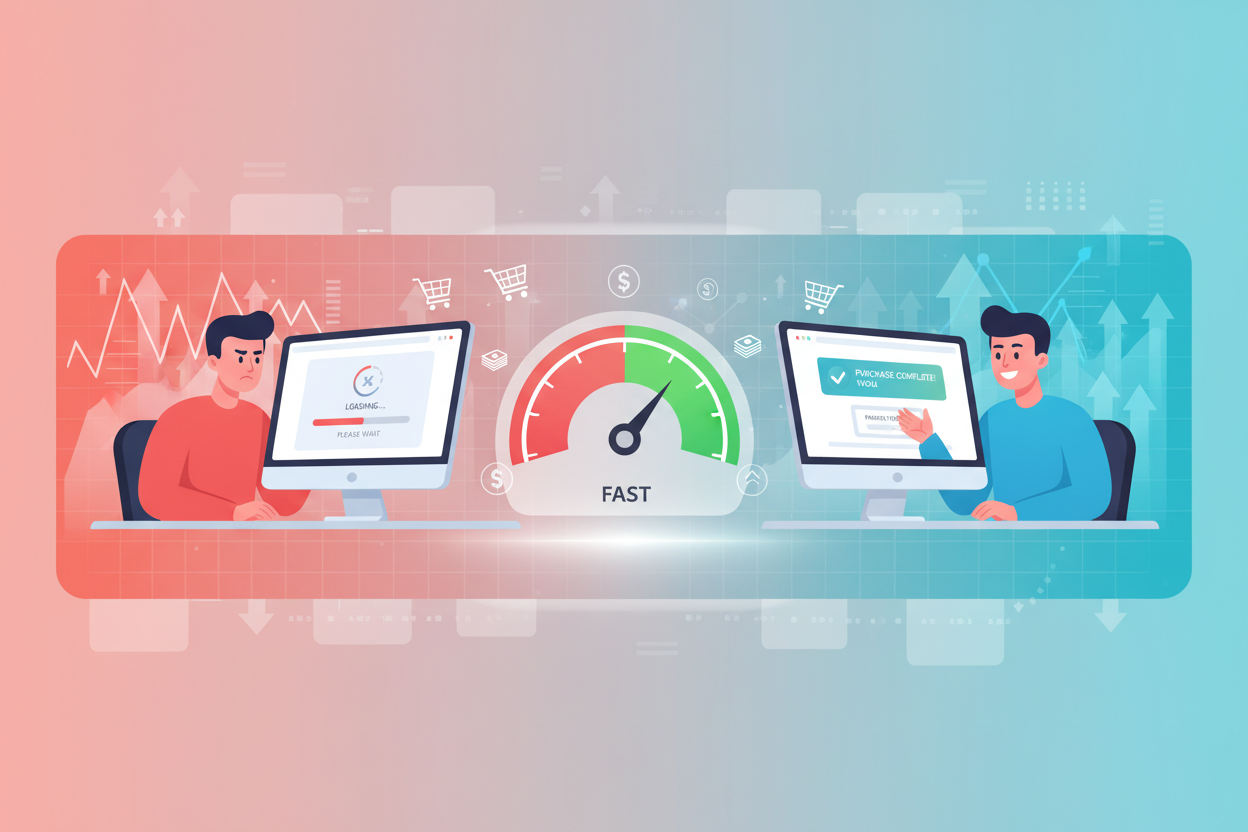
When evaluating cloud hosting options for your online store, certain features should be non-negotiable. Performance optimization tools like Content Delivery Networks (CDNs) and caching mechanisms can dramatically improve your site’s loading speed. Studies consistently show that even a one-second delay in page load time can reduce conversions by up to 7%.
SSL certificates and PCI compliance are absolute must-haves for any e-commerce operation. Your hosting provider should offer free SSL certificates and maintain the highest security standards to protect customer payment information. Additionally, look for providers that offer automated backups with easy restoration options – because data loss is not an option when you’re handling customer orders and inventory data.
Database optimization features are often overlooked but critically important. Your hosting provider should offer optimized database configurations specifically designed for e-commerce platforms like WooCommerce, Magento, or Shopify Plus. This includes support for the latest versions of MySQL or PostgreSQL with performance tuning.
Top Affordable Cloud Hosting Providers for 2026 🏆
After extensive testing and analysis, several cloud hosting providers stand out for their combination of affordability and reliability. DigitalOcean continues to offer exceptional value with their droplet-based pricing model, starting as low as $5 per month for basic e-commerce sites. Their marketplace includes one-click installations for popular e-commerce platforms, making setup incredibly straightforward.
Linode, now part of Akamai, provides robust cloud infrastructure with competitive pricing and excellent customer support. Their shared CPU instances are perfect for small to medium-sized online stores, while their dedicated CPU options can handle larger operations without breaking the bank.
Vultr has emerged as a strong contender with their high-performance SSD cloud servers and global data center presence. Their pricing is transparent, and they offer hourly billing, which is fantastic for testing and development environments before going live with your production site.
For those preferring managed solutions, Cloudways deserves serious consideration. They provide a managed cloud hosting platform that works with multiple cloud providers, offering the best of both worlds – powerful infrastructure with simplified management tools.
Performance vs. Price: Finding the Sweet Spot ⚖️
The eternal struggle in hosting decisions is balancing performance requirements with budget constraints. I’ve learned that the cheapest option is rarely the most cost-effective in the long run. A hosting solution that costs $10 more per month but prevents just one hour of downtime during peak shopping season has already paid for itself many times over.
When calculating hosting costs, consider the total cost of ownership rather than just the monthly fee. Factor in the value of included features like automated backups, security monitoring, and technical support. A provider that charges slightly more but includes comprehensive security features might actually save you money compared to a cheaper option where you need to purchase these services separately.
Performance benchmarks should include more than just basic uptime statistics. Look for providers that can demonstrate consistent response times under load, efficient handling of concurrent connections, and optimized performance for your specific e-commerce platform. Many providers offer free trials or money-back guarantees, allowing you to test performance with your actual site before committing long-term.
Security Considerations for E-Commerce Hosting 🔐
Security isn’t just important for e-commerce sites – it’s absolutely critical. Your hosting provider should offer multiple layers of protection, starting with network-level security measures like DDoS protection and firewall configurations. These features protect your site from malicious attacks that could compromise customer data or disrupt operations.
Regular security updates and patch management are equally crucial. Your hosting provider should maintain up-to-date server software and provide timely security patches for the operating system and server components. This proactive approach helps prevent security vulnerabilities before they can be exploited.
Compliance requirements vary depending on your target markets, but PCI DSS compliance is essential for any site processing credit card payments. Your hosting provider should understand these requirements and provide the necessary infrastructure to maintain compliance. This includes secure data transmission, encrypted storage, and proper access controls.
Scalability Planning for Growing Businesses 📈
One of the biggest advantages of cloud hosting is its ability to scale with your business growth. However, not all scaling options are created equal. Look for providers that offer both vertical scaling (adding more resources to existing servers) and horizontal scaling (adding more servers to distribute load).
Auto-scaling features can be incredibly valuable during unpredictable traffic spikes. These systems monitor your site’s performance and automatically allocate additional resources when needed, then scale back down during quieter periods. This ensures optimal performance while controlling costs.
Database scaling deserves special attention for e-commerce sites. As your product catalog and customer base grow, your database requirements will increase significantly. Choose a hosting provider that offers database clustering, read replicas, and other advanced database scaling options to maintain performance as you grow.
Migration Tips and Best Practices 🔄
Moving an existing e-commerce site to a new hosting provider requires careful planning to avoid disrupting operations. Start by creating a comprehensive backup of your current site, including all files, databases, and configuration settings. Test the backup thoroughly to ensure it’s complete and functional.
Consider performing the migration during your site’s lowest traffic period to minimize potential impact on customers. Many hosting providers offer free migration services, but it’s worth understanding the process yourself in case you need to troubleshoot issues or make adjustments.
DNS propagation can take up to 48 hours, so plan accordingly. Consider using a staging environment to test your migrated site thoroughly before updating DNS records. This allows you to identify and resolve any issues before they affect your live site.
Cost Optimization Strategies 💰
Smart resource management can significantly reduce your hosting costs without compromising performance. Start by analyzing your actual resource usage patterns – many sites are over-provisioned because owners overestimate their requirements. Most cloud providers offer detailed usage analytics that can help you right-size your resources.
Reserved instances or committed use discounts can provide substantial savings if you can commit to using specific resources for extended periods. These options typically offer 20-50% discounts compared to on-demand pricing, making them excellent choices for stable, established e-commerce sites.
Content optimization plays a crucial role in cost management. Implementing efficient caching strategies, optimizing images, and using CDNs can reduce bandwidth usage and server load, directly impacting your hosting costs. These optimizations also improve site performance, creating a win-win situation.
Future-Proofing Your Hosting Infrastructure 🔮
Technology evolves rapidly, and your hosting solution should be able to adapt to future requirements. Look for providers that regularly update their infrastructure and offer access to emerging technologies like containerization, serverless functions, and edge computing capabilities.
API accessibility is becoming increasingly important as businesses integrate various tools and services. Ensure your hosting provider offers robust APIs that allow you to automate management tasks and integrate with other business systems as your operations become more sophisticated.
Consider the provider’s roadmap and investment in new technologies. Providers that actively invest in research and development are more likely to offer cutting-edge features that can give your e-commerce business a competitive advantage.
Frequently Asked Questions ❓
What’s the minimum hosting requirements for a new e-commerce site?
For a new e-commerce site, I recommend starting with at least 2GB RAM, 2 CPU cores, and 50GB SSD storage. This provides enough resources to handle initial traffic while leaving room for growth. Most cloud providers allow easy upgrades as your needs increase.
How much should I expect to spend on cloud hosting monthly?
Expect to spend between $20-100 per month for small to medium e-commerce sites. Larger operations may require $200-500 monthly. The exact cost depends on traffic volume, resource requirements, and additional features like managed services or premium support.
Is managed cloud hosting worth the extra cost?
Managed hosting can be excellent value if you lack technical expertise or want to focus on business growth rather than server management. The time savings and reduced risk often justify the additional 20-40% cost premium, especially for busy entrepreneurs.
How do I know if my current hosting is limiting my sales?
Monitor key metrics like page load times, bounce rates, and conversion rates. If you notice high bounce rates during traffic spikes or slow page loads (over 3 seconds), your hosting might be limiting sales potential. Tools like Google PageSpeed Insights can help identify performance bottlenecks.
What happens if I outgrow my current hosting plan?
Most cloud providers offer seamless upgrades with minimal downtime. You can typically upgrade resources within minutes through their control panel. However, significant architectural changes might require more planning and potentially brief maintenance windows.
Should I choose hosting based on my e-commerce platform?
Yes, platform-specific optimizations can significantly improve performance. Look for providers that offer specialized hosting for your platform (WooCommerce, Magento, Shopify Plus) with pre-configured environments and platform-specific caching solutions.
Choosing the right cloud hosting solution for your e-commerce site in 2026 requires balancing multiple factors – performance, reliability, security, scalability, and cost. The providers and strategies I’ve outlined in this guide offer solid foundations for building a successful online business. Remember, your hosting infrastructure is an investment in your business’s future, not just an operational expense. Take time to evaluate your options carefully, test performance thoroughly, and choose a provider that can grow with your business ambitions. The right hosting decision today will pay dividends in improved customer experience, higher conversion rates, and sustainable business growth throughout 2026 and beyond. 🎯