Setting Up Hybrid Cloud Infrastructure🚀
Table of Contents
1. Understanding Hybrid Cloud Infrastructure
2. Key Benefits of Hybrid Cloud Solutions
3. Essential Components for Hybrid Cloud Setup
4. Step-by-Step Implementation Process
5. Security Considerations and Best Practices
6. Cost Management Strategies
7. Common Challenges and Solutions
8. Future-Proofing Your Hybrid Infrastructure
Introduction
Picture this: you’re sitting in a boardroom meeting, and your CTO just announced that your company needs to modernize its IT infrastructure. The word “cloud” gets thrown around, but then someone mentions keeping certain data on-premises for compliance reasons. Sound familiar? Welcome to the world of hybrid cloud infrastructure – the sweet spot between traditional on-premises systems and full cloud migration that’s becoming increasingly popular in 2026. 💡
As businesses continue to navigate the complex landscape of digital transformation, hybrid cloud solutions have emerged as the go-to strategy for organizations seeking flexibility, security, and cost-effectiveness. Whether you’re a startup looking to scale efficiently or an enterprise with legacy systems that can’t be easily migrated, this comprehensive guide will walk you through everything you need to know about setting up hybrid cloud infrastructure in 2026.
Understanding Hybrid Cloud Infrastructure
Let’s start with the basics. Hybrid cloud infrastructure combines private cloud resources (your on-premises servers and data centers) with public cloud services from providers like Amazon Web Services, Microsoft Azure, or Google Cloud Platform. Think of it as having the best of both worlds – you maintain control over sensitive data while leveraging the scalability and innovation of public cloud services.
What makes 2026 different from previous years? The technology has matured significantly. We’re seeing improved integration tools, better security protocols, and more sophisticated management platforms that make hybrid deployments smoother than ever before. The pandemic accelerated cloud adoption, but now we’re in the refinement phase where businesses are optimizing their hybrid strategies rather than just rushing to the cloud.
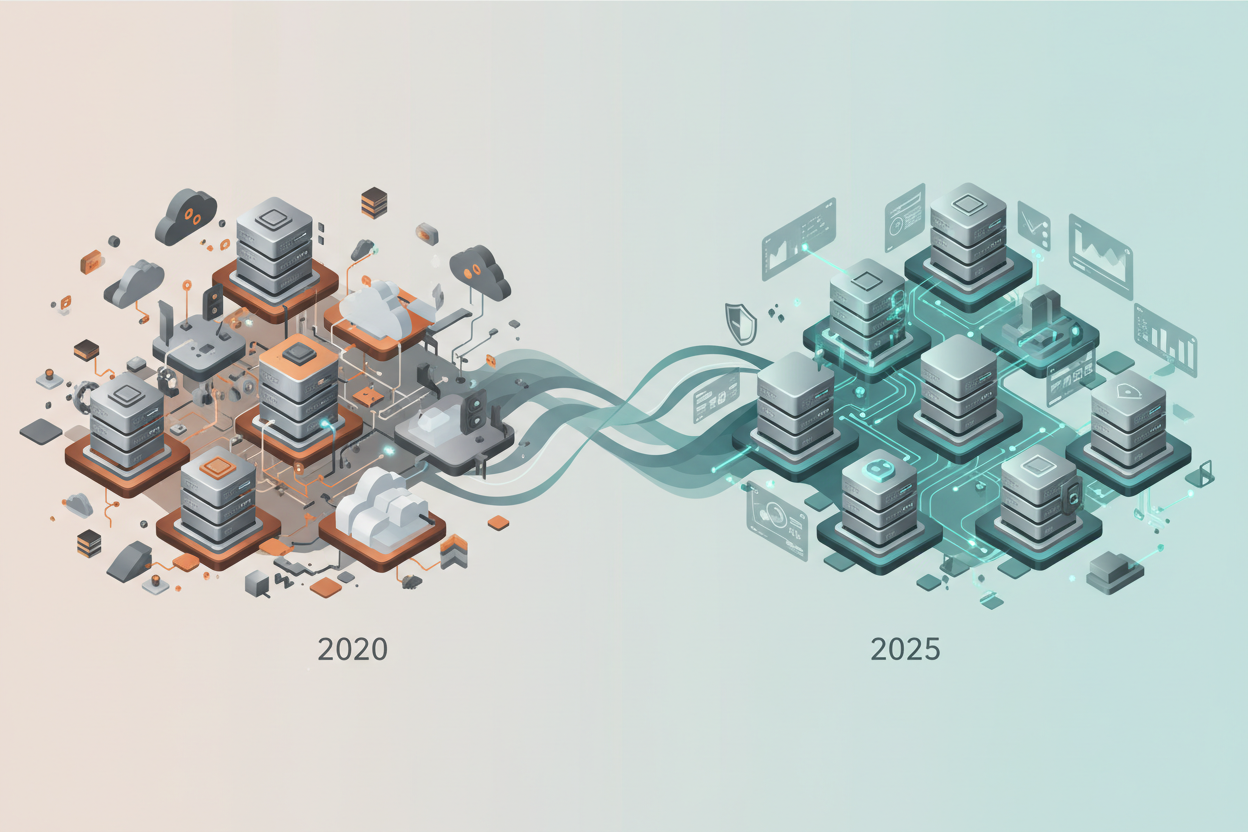
Modern hybrid cloud architectures aren’t just about connecting two separate environments anymore. They’re about creating seamless, integrated ecosystems where workloads can move fluidly between environments based on performance requirements, cost considerations, and compliance needs. It’s like having a well-orchestrated symphony where each instrument (environment) plays its part perfectly. 🎼
Key Benefits of Hybrid Cloud Solutions
Why should you consider hybrid cloud infrastructure? Let me share some compelling reasons that go beyond the typical marketing buzzwords.
Flexibility and Scalability: Imagine your e-commerce website during Black Friday. Your on-premises infrastructure handles regular traffic beautifully, but during peak shopping seasons, you can seamlessly burst into the public cloud for additional computing power. This elasticity means you’re not paying for resources you don’t need year-round.
Enhanced Security and Compliance: Some data simply can’t leave your premises due to regulatory requirements. Healthcare organizations with HIPAA compliance or financial institutions with strict data sovereignty laws can keep sensitive information on-premises while still benefiting from cloud innovation for less critical workloads.
Cost Optimization: Here’s where it gets interesting. You can run predictable workloads on your own hardware (where you’ve already made the investment) while using cloud resources for variable or experimental workloads. It’s like having a reliable car for daily commuting and renting a sports car for weekend adventures – you use what makes sense for each situation. 💰
Disaster Recovery and Business Continuity: Hybrid setups provide natural redundancy. If your on-premises infrastructure fails, critical applications can failover to the cloud. Conversely, if there’s a cloud service outage, you still have your local resources running.
Essential Components for Hybrid Cloud Setup
Setting up a hybrid cloud infrastructure requires several key components working in harmony. Think of these as the building blocks of your hybrid strategy.
Network Connectivity: This is your highway between environments. You’ll need reliable, high-speed connections like dedicated lines, VPNs, or direct connect services. In 2026, we’re seeing more organizations invest in SD-WAN solutions that intelligently route traffic and provide better performance optimization.
Identity and Access Management (IAM): Users shouldn’t need different credentials for different environments. A unified IAM system ensures seamless access while maintaining security. Modern solutions support single sign-on (SSO) across hybrid environments, making life easier for both users and administrators.
Data Integration and Synchronization: Your data needs to flow smoothly between environments. This might involve real-time synchronization for critical applications or scheduled batch transfers for analytics workloads. The key is ensuring data consistency and avoiding the dreaded “source of truth” confusion.
Management and Monitoring Tools: You can’t manage what you can’t see. Comprehensive monitoring solutions provide visibility across your entire hybrid infrastructure, helping you optimize performance, track costs, and identify potential issues before they become problems. 📊
Security Framework: Security in a hybrid environment requires a layered approach. This includes encryption for data in transit and at rest, network segmentation, endpoint protection, and continuous security monitoring across all environments.
Step-by-Step Implementation Process
Now for the practical stuff – how do you actually implement a hybrid cloud infrastructure? I’ve broken this down into manageable phases that won’t overwhelm your team or disrupt your business operations.
Phase 1: Assessment and Planning
Start by conducting a thorough audit of your existing infrastructure. What applications are you running? Which ones are mission-critical? What are your compliance requirements? This discovery phase is crucial because it determines your entire hybrid strategy. Don’t rush this – I’ve seen too many implementations fail because teams skipped proper planning.
Phase 2: Choose Your Cloud Provider and Tools
Not all cloud providers are created equal, and your choice should align with your specific needs. Azure might be perfect if you’re heavily invested in Microsoft technologies. AWS offers the broadest service portfolio. Google Cloud excels in data analytics and machine learning. Consider factors like existing vendor relationships, technical requirements, and geographic presence.
Phase 3: Establish Network Connectivity
This is where the rubber meets the road. Set up your network connections between on-premises and cloud environments. Start with a pilot connection and gradually expand. Test thoroughly – network issues are often the biggest pain points in hybrid deployments.
Phase 4: Implement Security and Compliance Measures
Security isn’t an afterthought; it should be built into every layer of your hybrid infrastructure. Implement encryption, set up proper access controls, and ensure your security policies are consistent across environments. Remember, your security is only as strong as your weakest link. 🔒
Phase 5: Migrate Workloads Gradually
Start with non-critical applications to test your hybrid setup. Learn from these initial migrations before moving mission-critical workloads. This phased approach reduces risk and allows your team to build expertise gradually.
Phase 6: Optimize and Monitor
Once your hybrid infrastructure is operational, the real work begins. Continuously monitor performance, costs, and security. Optimize workload placement based on actual usage patterns. This isn’t a “set it and forget it” scenario – hybrid cloud requires ongoing attention and optimization.
Security Considerations and Best Practices
Let’s talk about the elephant in the room – security. Hybrid cloud environments can be more complex to secure than single-environment setups, but they don’t have to be less secure. The key is understanding where your security boundaries are and implementing appropriate controls.
Zero Trust Architecture: In 2026, zero trust isn’t just a buzzword – it’s a necessity. Assume that no network location is inherently trustworthy. Verify every user, device, and application before granting access, regardless of whether they’re connecting from your corporate network or the internet.
Data Classification and Protection: Not all data is created equal. Implement a robust data classification system that determines where different types of data can reside and how they should be protected. Your customer’s credit card information has different requirements than your marketing materials.
Encryption Everywhere: Data should be encrypted in transit between environments and at rest in both locations. Modern encryption tools make this easier than ever, and the performance impact is minimal with today’s hardware.
Regular Security Audits: Schedule regular security assessments of your hybrid environment. This includes penetration testing, vulnerability assessments, and compliance audits. Think of these as health checkups for your infrastructure – they help catch problems before they become serious issues. 🔍
Cost Management Strategies
One of the biggest misconceptions about hybrid cloud is that it automatically saves money. The truth is, hybrid cloud can be cost-effective, but only with proper planning and ongoing management. Here’s how to keep your costs under control.
Right-sizing Resources: Don’t over-provision cloud resources “just in case.” Use monitoring tools to understand actual resource utilization and adjust accordingly. Cloud providers offer various instance types optimized for different workloads – choose wisely.
Implement Cost Monitoring and Alerts: Set up billing alerts and use cost management tools to track spending across both environments. Many organizations are surprised by their first cloud bill because they didn’t monitor usage closely enough.
Optimize Data Transfer Costs: Data egress charges can add up quickly. Minimize unnecessary data movement between environments and consider data locality when architecting your applications. Sometimes it’s more cost-effective to process data where it resides rather than moving it around.
Leverage Reserved Instances and Savings Plans: If you have predictable workloads, take advantage of cloud provider discount programs. Reserved instances can offer significant savings for steady-state workloads, while on-demand pricing works better for variable workloads.
Common Challenges and Solutions
Let me be honest with you – hybrid cloud implementations aren’t always smooth sailing. Here are some common challenges I’ve encountered and practical solutions to overcome them.
Network Latency and Performance: Distance matters in hybrid setups. Applications that frequently communicate between environments can suffer from network latency. Solution: Design your architecture to minimize cross-environment communication and consider edge computing for latency-sensitive applications.
Complexity Management: Managing multiple environments can be overwhelming. Solution: Invest in unified management tools and establish clear operational procedures. Automation is your friend – use it to reduce manual tasks and minimize human error.
Skills Gap: Your team might be experts in traditional IT but new to cloud technologies. Solution: Invest in training and consider partnering with cloud specialists for initial implementation. The learning curve is real, but the investment pays off. 📚
Data Consistency Issues: Keeping data synchronized across environments can be challenging. Solution: Implement robust data governance policies and use proven synchronization tools. Plan for eventual consistency in some scenarios rather than trying to maintain perfect real-time synchronization everywhere.
Future-Proofing Your Hybrid Infrastructure
Technology evolves rapidly, and your hybrid infrastructure should be designed to adapt. Here’s how to ensure your investment remains valuable in the years to come.
Embrace Container Technologies: Containers and orchestration platforms like Kubernetes make applications more portable between environments. This flexibility becomes increasingly valuable as your hybrid strategy evolves.
Plan for Edge Computing: The edge computing trend is accelerating, and your hybrid strategy should accommodate edge deployments. This might mean extending your hybrid model to include edge locations for better performance and reduced latency.
Stay Vendor-Agnostic Where Possible: Avoid deep vendor lock-in by using open standards and portable technologies. This gives you flexibility to change providers or add new ones as your needs evolve.
Invest in Automation and AI: The future of IT operations is increasingly automated. Implement infrastructure as code, automated scaling, and AI-driven optimization tools to stay competitive. 🤖
Conclusion
Setting up hybrid cloud infrastructure in 2026 isn’t just about technology – it’s about creating a flexible, scalable foundation for your business’s digital future. The hybrid approach offers the perfect balance between control and innovation, allowing you to maintain security and compliance while leveraging the power of cloud computing.
Remember, successful hybrid cloud implementation is a journey, not a destination. Start with a clear strategy, implement gradually, and continuously optimize based on your actual experiences. Don’t try to boil the ocean – begin with pilot projects and build your expertise over time.
The key to success lies in understanding that hybrid cloud is as much about people and processes as it is about technology. Invest in training your team, establish clear governance policies, and maintain a security-first mindset throughout your implementation.
As we move further into 2026, organizations with well-designed hybrid cloud infrastructures will have a significant competitive advantage. They’ll be able to respond quickly to market changes, scale efficiently, and innovate faster than their competitors stuck with inflexible, single-environment approaches.
The future of IT is hybrid, and the time to start your journey is now. Take the first step, learn from each phase, and build the foundation that will power your organization’s success for years to come. 🌟
Frequently Asked Questions
Q: How long does it typically take to implement a hybrid cloud infrastructure?
A: Implementation timelines vary significantly based on your organization’s size and complexity. A small business might complete a basic hybrid setup in 2-3 months, while large enterprises often require 6-12 months for comprehensive implementation. The key is starting with pilot projects and scaling gradually.
Q: What’s the minimum budget needed for hybrid cloud implementation?
A: There’s no one-size-fits-all answer, but budget for network connectivity costs, cloud services, management tools, and staff training. Small implementations might start at $10,000-50,000, while enterprise deployments can require hundreds of thousands of dollars. Focus on ROI rather than just initial costs.
Q: Is hybrid cloud more secure than public cloud?
A: Hybrid cloud isn’t inherently more or less secure than public cloud – security depends on implementation. Hybrid environments can offer more control over sensitive data while still benefiting from cloud provider security investments for less critical workloads.
Q: Can I start with public cloud and migrate to hybrid later?
A: Absolutely! Many organizations begin with public cloud services and add on-premises components later as their needs evolve. This approach can actually be easier than starting with a full hybrid implementation.
Q: What happens if my internet connection fails in a hybrid setup?
A: This depends on your architecture design. Critical applications should be designed with redundancy and failover capabilities. Some workloads might continue running locally while others could failover to cloud resources via backup connections.
Q: Do I need special skills to manage hybrid cloud infrastructure?
A: While existing IT skills transfer to hybrid environments, additional training in cloud technologies, automation, and hybrid-specific tools is typically necessary. Consider investing in certification programs and hands-on training for your team.